 EN
EN
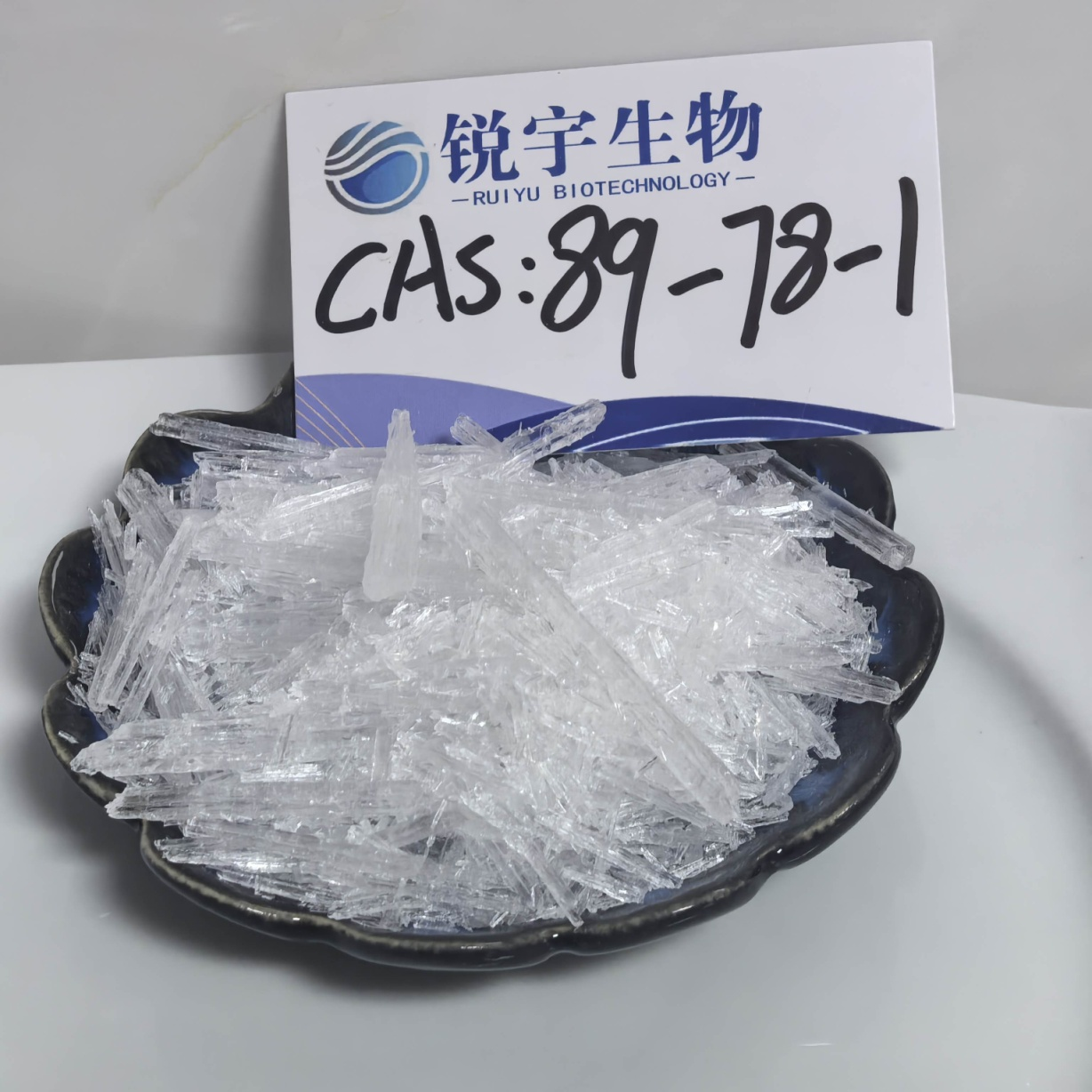
Core Pharmaceutical Intermediates That Enable OEM Partnerships
High-Value Intermediates with Regulatory Precedent (e.g., Chiral Building Blocks, Protected Amino Acids)
The foundation of solid OEM relationships lies in chiral building blocks, particularly those that are enantiopure, along with protected amino acids. Most modern small molecule drugs rely on asymmetric synthesis through chiral intermediates, probably around 80% give or take. Protected amino acids play their part too, keeping things clean in peptide drug production by stopping unwanted chemical reactions from happening. There's plenty of regulatory support behind these materials too. Since 2020 alone, hundreds of applications to the FDA and EMA have cited specific CMC pathways involving these kinds of intermediates. Top suppliers really know their stuff when it comes to handling complex chirality problems like quaternary stereocenters. They keep impurities down to acceptable levels according to industry standards and make sure products can survive shipping across different climates without breaking down.
API-Relevant Intermediates Requiring ICH-Compliant Synthesis and Control Strategy
For intermediates used in API production, meeting ICH Q7 and Q11 standards isn't optional anymore. These compounds aren't just basic ingredients but actually function as building blocks for final drug products. The regulations require keeping genotoxic impurities under 0.15%, managing residual solvents according to ICH Q3C guidelines, and developing control strategies backed by solid scientific reasoning. Looking at recent data from 2022 onwards, about two thirds of all supply chain problems for original equipment manufacturers stem from mishandling risky intermediates. Think about those tricky reactive organometallic substances like Grignard reagents, unstable heterocyclic compounds that fall apart when heated, and ketones sensitive to light exposure. Companies that implement PAT systems for ongoing process monitoring tend to cut down on failed batches significantly. Each batch loss typically costs around $2 million, so this makes a big difference. And interestingly enough, firms following ICH Q11 best practices generally get their regulatory approvals approximately 40% quicker compared to traditional methods. This speed advantage matters a lot in today's fast paced pharmaceutical landscape.
Supplier Capabilities Critical for OEM-Grade Pharmaceutical Intermediates
cGMP Manufacturing, Analytical Validation, and Full Traceability
Compliance with current Good Manufacturing Practices isn't just recommended but absolutely necessary when dealing with OEM grade intermediates. The process requires maintaining strict control over production environments, making sure all equipment works properly, and having staff who know what they're doing so products remain consistent from one batch to another and contamination doesn't occur between different materials. For testing purposes, labs need to validate their analytical techniques according to guidelines set out in something called ICH Q2(R1), which helps them accurately measure how pure substances are, their strength, and any unwanted contaminants present. When companies track everything electronically right from where raw materials come from all the way through the manufacturing process, it makes finding problems much faster when things go wrong. According to data collected for the Pharma QC Index last year, manufacturers who have complete digital records throughout their operations respond to product recalls about twice as fast as those still using paper-based systems scattered across departments.
Regulatory Support Dossiers (ASMF, CEP, DMF) and Audit Readiness
For OEM integration to work properly, there needs to be solid regulatory groundwork. Things like Active Substance Master Files (ASMFs), Certificates of Suitability (CEPs), and Drug Master Files (DMFs) act as secret technical links connecting suppliers with regulators. These documents contain all sorts of important info about how substances are made, what happens to impurities during processing, and stability testing results needed for submissions worldwide. Keeping these files up to date demands strict version control practices and regular updates whenever manufacturing processes change. Real audit readiness isn't something companies do just once in a while. It comes from ongoing staff education programs, practice inspections that get documented properly, and having records that can be pulled up quickly when needed. The best suppliers in the business typically hit around 95% success rate on their first attempt at regulatory audits simply because they fix potential issues long before anyone points them out.
Strategic Collaboration Models Built Around Pharmaceutical Intermediates
Joint Development Agreements (JDAs) for Custom Intermediate Optimization
Joint Development Agreements basically create a framework for research and development partnerships between original equipment manufacturers and their suppliers when working on pharmaceutical intermediates. When companies get their technical teams and specialized knowledge aligned from the start, these agreements really help speed things up. They make it easier to refine chemical pathways, boost production yields, and incorporate those ICH Q11 compliance requirements right from the beginning of the process design stage. The results? Companies typically see their scaling up phases cut down somewhere around 30 to maybe even 40 percent. Plus, there's no confusion about who owns what intellectual property anymore. Most contract manufacturers we talk to mention this as a major pain point, with roughly three quarters of them citing IP issues as a top concern according to some recent industry reports.
Risk-Sharing Supply Contracts with Dual-Sourcing and Inventory Buffering
Strong OEM partnerships typically depend on contracts where both sides share risks when supply chains get shaky. Most of these agreements require something called dual sourcing for important materials, meaning around 80% or more should have backup suppliers ready to step in if needed. Companies also keep safety stock levels that can cover anywhere from four to six months worth of regular operations. When it comes to costs and who gets stuck with problems, smart contracts actually create better teamwork throughout the whole manufacturing process. We saw this during those recent drug ingredient shortages. Firms that had these kinds of protections in place kept producing medicines at about 95% capacity, while others in the same sector struggled badly with only about 40% success rate keeping their lines running.
Geopolitical Resilience and Diversification in Pharmaceutical Intermediates Sourcing
The growing instability in geopolitics plus ever-changing trade rules are making pharmaceutical intermediate supply chains less reliable these days. Many companies are turning to geographic diversification as their main defense strategy against disruptions. This means getting materials from qualified suppliers all over Asia, Europe, and the Americas instead of relying on just one region. Studies looking at supply chain resilience show that this approach cuts down on regional dependency somewhere between 40% and 60%. Some businesses also bring production closer to home through nearshoring practices. This helps cut down wait times while still keeping an eye on product quality standards. When paired with agreements that allow sourcing from multiple vendors and building up stockpiles for those tricky-to-source ingredients, manufacturers can maintain steady operations even when world events throw everything off track.
FAQ Section
What are chiral building blocks in pharmaceuticals?
Chiral building blocks are specific types of molecules that have distinct mirror-image forms (enantiomers), crucial for creating pharmaceuticals that must interact accurately at the molecular level.
Why is ICH compliance necessary for API intermediates?
ICH compliance ensures consistency, safety, and quality control in drug development processes, particularly important for API intermediates as they form the basis of final pharmaceutical products.
What role does geographic diversification play in intermediate sourcing?
Geographic diversification helps reduce dependency on a single region, enhancing resilience against geopolitical instability and trade disruptions that could affect supply chains.
Table of Contents
- Core Pharmaceutical Intermediates That Enable OEM Partnerships
- Supplier Capabilities Critical for OEM-Grade Pharmaceutical Intermediates
- Strategic Collaboration Models Built Around Pharmaceutical Intermediates
- Geopolitical Resilience and Diversification in Pharmaceutical Intermediates Sourcing
- FAQ Section