 EN
EN
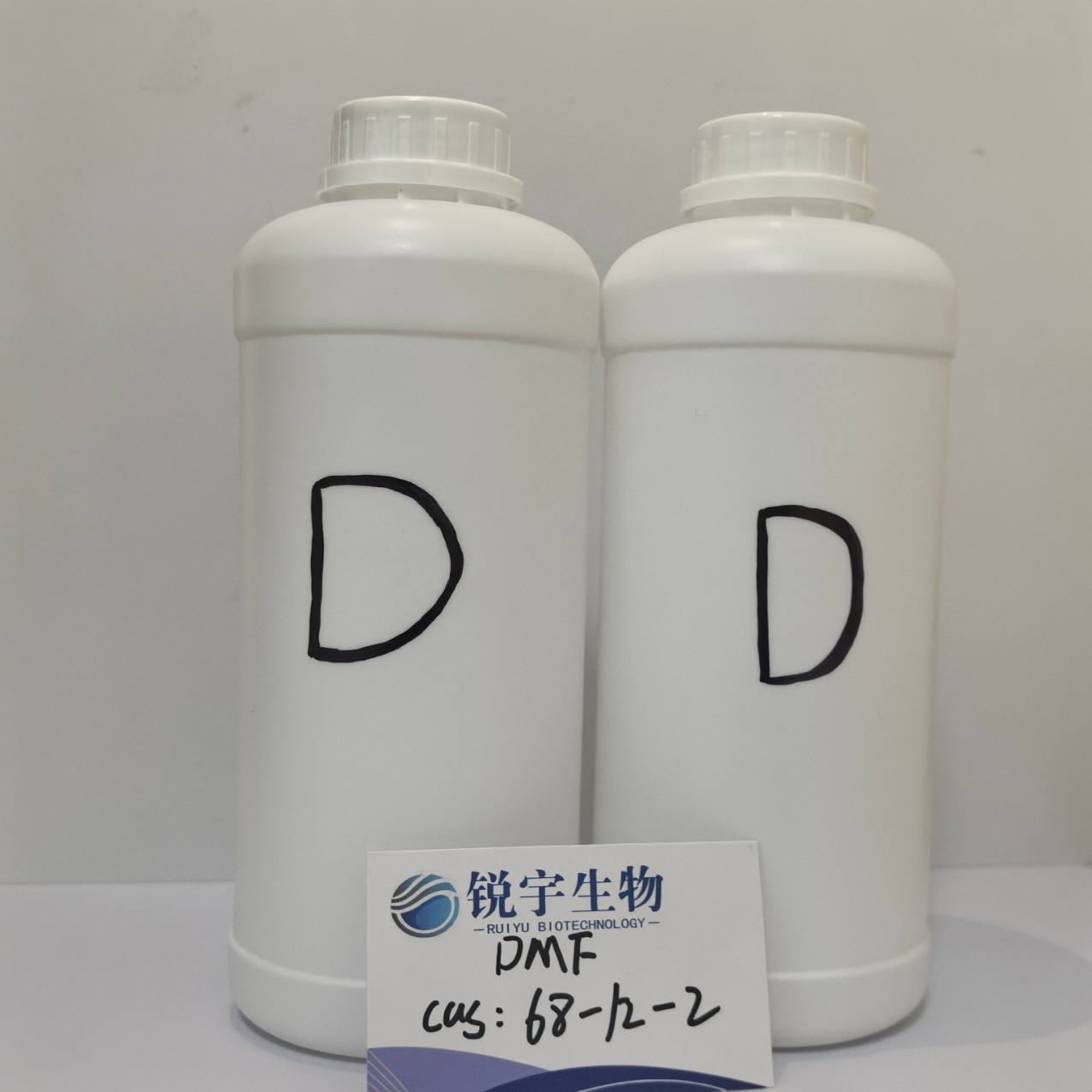
Warum ist Dimethylformamid in der pharmazeutischen Synthese entscheidend?
Rolle von Dimethylformamid bei hochgradiger Amidkupplung, SNAr und palladiumkatalysierten Reaktionen
Dimethylformamid, allgemein bekannt als DMF, spielt aufgrund seiner besonderen Eigenschaften als dipolar aprotisches Lösungsmittel eine entscheidende Rolle bei der Herstellung von Arzneimitteln. Bei der Bildung jener wichtigen Amidbindungen, die die Grundlage vieler Peptidarzneistoffe bilden, zeigt DMF seine besondere Stärke. Es hilft, Carboxylgruppen zu aktivieren, und stabilisiert während der Synthese wichtige Reaktionszwischenprodukte. Mit einer Dielektrizitätskonstante von etwa 36,7 bei Raumtemperatur beschleunigt DMF SNAr-Reaktionen, die für den Aufbau komplexer Ringsysteme in Medikamenten grundlegend sind. Bei palladiumkatalysierten Reaktionen wie den berühmten Suzuki- und Heck-Reaktionen leistet DMF gleich mehrere Funktionen: Es hält empfindliche Katalysatoren gut gelöst, verhindert die unerwünschte Bildung von Pd-Schwarz und funktioniert auch dann noch gut, wenn die Reaktionen länger dauern als erwartet. Was DMF so wertvoll macht, ist seine Fähigkeit, eine Vielzahl unterschiedlicher Chemikalien gemeinsam in einer Lösung zu lösen, wodurch aufwändige Trennschritte später reduziert werden. Dies bedeutet weniger Aufwand bei der Reinigung für Chemiker und letztendlich hochwertigere pharmazeutisch wirksame Inhaltsstoffe, ohne dass die Gesamtproduktionseffizienz darunter leidet.
Thermische Beständigkeit und Lösungsmittelstabilität unter prozessrelevanten Bedingungen (80–120°C)
DMF zeichnet sich durch seine bemerkenswerte Hitzebeständigkeit bei Verwendung in standardmäßigen pharmazeutischen Prozessen aus. Nachdem es acht volle Stunden bei 120 Grad Celsius stand, zersetzt es sich um weniger als ein halbes Prozent. Eine solche Beständigkeit verhindert, dass lästige reaktive Verunreinigungen während langer Reaktionen wie Veresterungen oder Kondensationsschritten entstehen. Die meisten wissen, dass protische Lösungsmittel aufgrund ihrer Autoprotolyse Probleme verursachen neigen, doch DMF ignoriert dieses Problem im pH-Bereich zwischen 3 und 9 weitgehend. Das bedeutet, dass keine unerwünschten Säure- oder Basenreaktionen empfindliche stereochemische Zwischenprodukte stören. Das Lösungsmittel weist zudem einen relativ niedrigen Dampfdruck bei Raumtemperatur (ca. 3,7 kPa) auf und siedet bei einem angemessenen Wert von 153 Grad Celsius. Diese Eigenschaften erleichtern die Aufrechterhaltung korrekter Konzentrationen während Rückflussoperationen und ermöglichen stabile einphasige Umgebungen. Für Unternehmen, die an chiralen Verbindungen für Onkologiebehandlungen oder Medikamente für das zentrale Nervensystem arbeiten, ist diese Stabilität absolut unverzichtbar.
Wesentliche Qualitätsanforderungen für pharmazeutisches Dimethylformamid
Kontrolle kritischer Verunreinigungen: Dimethylamin, Formaldehyd, Ameisensäure und N,N-Dimethylaminoacetaldehyd
Für in der Pharmazie verwendetes DMF ist eine strenge Kontrolle von Verunreinigungen unerlässlich, da diese Kontaminationen während der Produktion zahlreiche Probleme verursachen können. Wenn die Konzentration von Dimethylamin 50 ppm oder mehr erreicht, können unerwünschte chemische Reaktionen wie Amidierung oder Alkylierung eingeleitet werden. Formaldehyd und Ameisensäure sind ebenfalls störend, da sie Oxidationsprozesse und Hydrolyse-Reaktionen begünstigen. Hinzu kommt DMA-Ac, das sich während der Lagerung bildet und als starkes Elektrophil die Kopplungseffizienz in Reaktionen erheblich beeinträchtigt. Renommierte internationale Arzneibücher haben spezifische maximale zulässige Konzentrationen für diese Verunreinigungen festgelegt, um die Produktqualität und Sicherheitsstandards in der Industrie sicherzustellen.
- Dimethylamin ≤ 300 ppm (USP-NF <467>)
- Formaldehyd ≤ 50 ppm (EP 10.0)
- Ameisensäure ≤ 0,2 % (JP18)
Abschwächung von Zersetzungsrisiken – pH-Empfindlichkeit, lagerungsbedingte Entwicklung von Dimethylamin und hydrolytische Instabilität
Die DMF-Zersetzung erfolgt über drei miteinander verknüpfte Wege, die proaktive Kontrolle erfordern:
- Säurekatalysierte Hydrolyse : Bei pH-Werten unterhalb von 6,0 kommt es zu einer schnellen Spaltung unter Bildung von Dimethylamin und Ameisensäure.
- Thermische Degradation : Bei Temperaturen ≥40 °C ohne Stickstoff-Abdeckung erhöht sich die Bildung von Dimethylamin um 200 %.
- Hydrolyse durch Feuchtigkeit : Die Hydrolyseraten verdreifachen sich, wenn der Wassergehalt 0,1 % überschreitet – dem USP-Grenzwert für Restfeuchte.
Um eine Haltbarkeit von 12 Monaten unter GMP-Bedingungen sicherzustellen, verpacken Lieferanten DMF unter Inertgas, puffern den pH-Wert auf 7,5–8,5 und zertifizieren einen Gehalt an Wasser von ≤ 500 ppm – in Übereinstimmung mit den ICH-Q5C-Richtlinien zur Stabilität.
Einhaltung gesetzlicher Vorschriften: Erfüllung der Anforderungen von USP-NF, EP 10.0 und JP18 an Dimethylformamid
Für pharmazeutisches DMF ist die Einhaltung der harmonisierten globalen Standards aus USP-NF, EP 10.0 und JP18 keine Option, sondern zwingend erforderlich, wenn wir konsistente Ergebnisse erzielen und von den Aufsichtsbehörden zugelassen werden wollen. Die Spezifikationen sind sehr streng hinsichtlich Restlösemittel und Zersetzungsprodukten. Wir sprechen hier von maximal 0,05 % Dimethylamin und weniger als 10 ppm Formaldehyd. Warum? Weil diese Verunreinigungen Katalysatoren stören und während der Produktion unerwünschte chemische Reaktionen verursachen können. Wenn Hersteller diese Vorschriften nicht einhalten, geraten sie in ernsthafte Schwierigkeiten. Es kommt zu Verzögerungen, die Aufsichtsbehörden verhängen Bußgelder, und im schlimmsten Fall werden Produkte zurückgerufen. Laut Daten des Ponemon Institute aus dem vergangenen Jahr kostet jeder Vorfall Unternehmen durchschnittlich über 740.000 USD. Zur Überprüfung der Konformität führen Labore mehrere Tests durch. Mithilfe der Gaschromatographie werden flüchtige Substanzen nachgewiesen, mit der Karl-Fischer-Titration wird der Wassergehalt bestimmt und mittels ICP-MS werden Schwermetalle detektiert. Auch Rückverfolgbarkeit ist wichtig. Jede Charge benötigt eine vollständige Dokumentation, beginnend bei der Herkunft der Materialien bis hin zur endgültigen Analysebescheinigung. Diese Papierkette stellt sicher, dass Betriebe auf die unausweichlichen GMP-Audits vorbereitet sind.
Zusammenarbeit mit zuverlässigen Lieferanten: Rückverfolgbarkeit, GMP-Unterstützung und Änderungskontrolle für Dimethylformamid
GMP-konforme Herstellung, chargenspezifische COA/COO und Reinheitsprofilierung zur Vorbereitung auf Audits
Bei der Auswahl von Lieferanten müssen Unternehmen solche bevorzugen, die GMP-Richtlinien fest in ihre Abläufe integriert haben, wenn sie langfristig eine gleichbleibende DMF-Qualität sicherstellen möchten. Erstklassige Anbieter halten sich strikt an die Grundsätze der Guten Herstellungspraxis, verwenden validierte Verfahren zur Herstellung von Wirkstoffen, gewährleisten strenge Kontrollen von Kontaminanten und verfolgen jeden Inhaltsstoff bis zu seiner Herkunft zurück. Dadurch werden Qualitätschwankungen im Endprodukt deutlich reduziert. Jede Produktionscharge wird mit detaillierten Unterlagen geliefert, darunter Konformitätsbescheinigungen (COA), die Reinheitsgrade ausweisen, sowie Herkunftsnachweise (COO) für die verwendeten Materialien. Einige fortschrittliche Lieferanten gehen noch weiter und stellen vollständige Profile möglicher Verunreinigungen wie Formaldehyd, Ameisensäure und DMA-Ac gemäß den ICH-Richtlinien bereit. Ihre Änderungsmanagement-Systeme sehen vor, dass bei jeder Anpassung der Herstellverfahren, bei Geräte-Upgrades oder bei neuen Bezugsquellen für Rohstoffe umfassende Neutestungen durchgeführt und Kunden informiert werden. Diese Transparenz verkürzt die Untersuchungsdauer bei Problemen um rund zwei Drittel und ermöglicht es, Korrekturen innerhalb von nur vier Tagen vorzunehmen, wie aktuelle Daten der FDA zeigen. Und ganz ehrlich: Niemand möchte mit Rückrufkosten konfrontiert werden, die leicht eine halbe Million Dollar erreichen können, nur weil jemand etwas geändert hat, ohne dies ordnungsgemäß zu dokumentieren.
Häufig gestellte Fragen zu Dimethylformamid in pharmazeutischen Anwendungen
Welche Hauptrolle spielt DMF in der pharmazeutischen Synthese?
DMF wirkt hauptsächlich als dipolarer aprotischer Lösungsmittel in der pharmazeutischen Synthese, fördert die Amidkupplung mit hohen Ausbeuten, SNAr-Reaktionen und unterstützt palladiumkatalysierte Prozesse.
Warum wird DMF in Hochtemperaturreaktionen bevorzugt?
DMF weist eine ausgezeichnete thermische Beständigkeit und Lösungsmittelstabilität auf, wodurch es sich ideal für Reaktionen bei Temperaturen zwischen 80–120 °C eignet, ohne wesentlich zu zerfallen.
Wie trägt DMF zur Einhaltung von Vorschriften in der pharmazeutischen Herstellung bei?
DMF muss die Anforderungen der USP-NF, EP und JP erfüllen, um zu verhindern, dass Verunreinigungen Nebenreaktionen verursachen, und um konsistente sowie sichere Produktionsresultate sicherzustellen.
Inhaltsverzeichnis
- Warum ist Dimethylformamid in der pharmazeutischen Synthese entscheidend?
- Wesentliche Qualitätsanforderungen für pharmazeutisches Dimethylformamid
- Einhaltung gesetzlicher Vorschriften: Erfüllung der Anforderungen von USP-NF, EP 10.0 und JP18 an Dimethylformamid
- Zusammenarbeit mit zuverlässigen Lieferanten: Rückverfolgbarkeit, GMP-Unterstützung und Änderungskontrolle für Dimethylformamid