
 EN
EN
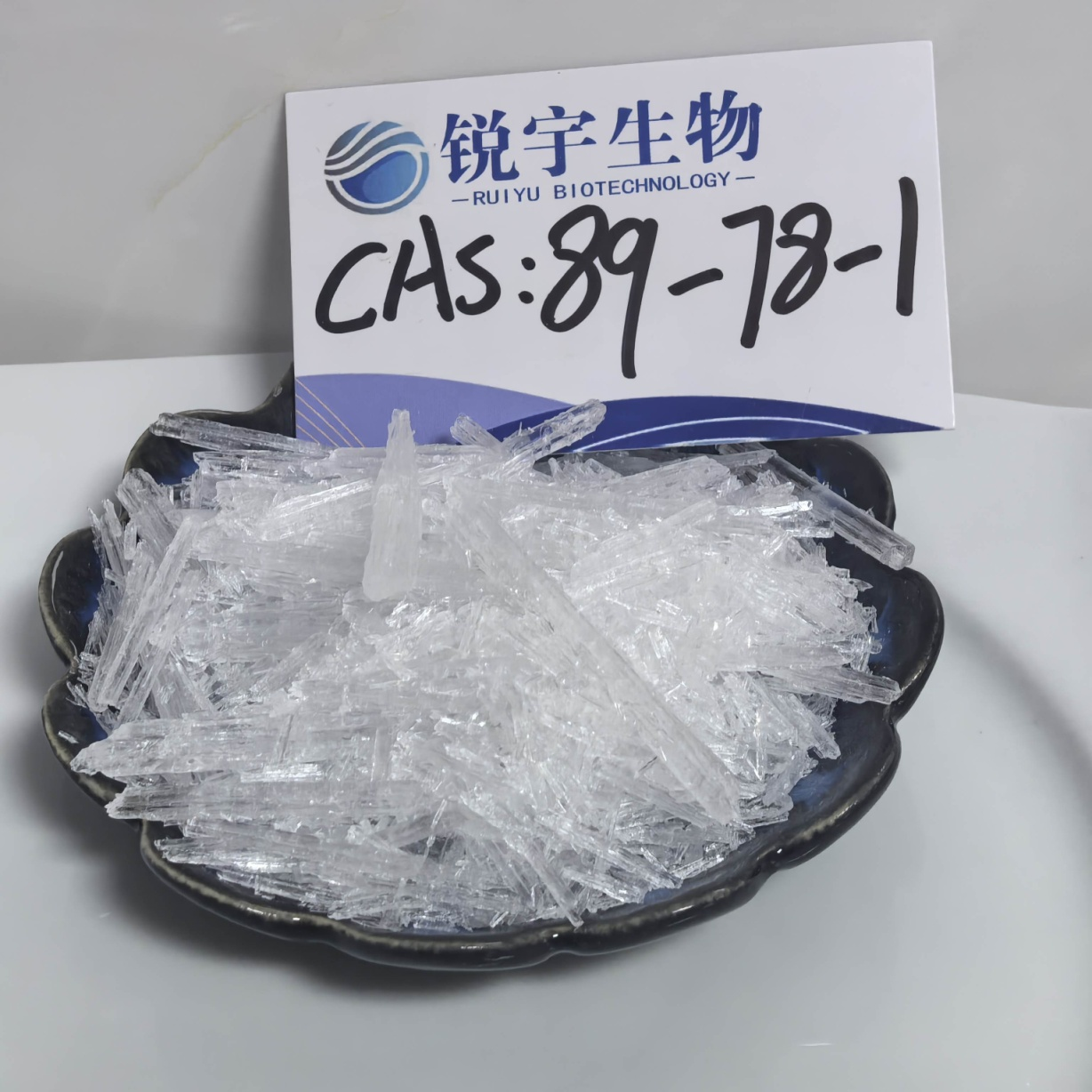
Grundlagen zu pharmazeutischen Mentholkristallen: Anforderungen gemäß USP-NF und FCC
Was die USP-NF- und FCC-Monographien über Reinheit (99,0 %) und Identität von Mentholkristallen vorschreiben
Für pharmazeutisches Menthol in Kristallform gelten durch Organisationen wie USP-NF und FCC strenge Vorschriften bezüglich Reinheit und Identität. Diese Standards verlangen, dass das Produkt mindestens 99 % L-Menthol enthalten muss, was mithilfe der Gaschromatographie überprüft wird. Um sicherzustellen, dass es sich tatsächlich um Menthol handelt und nicht um eine Verbindung mit ähnlicher Struktur, werden Infrarotspektroskopie-Tests durchgeführt, bei denen Proben mit bekannten Referenzmaterialien verglichen werden. Auch die Menge an lösungsmittelrückständen nach der Verarbeitung ist begrenzt. So darf beispielsweise Hexan nicht höher als 290 Millionstel (ppm) sein. Was Kontaminationen durch Schwermetalle betrifft, sind die Grenzwerte noch strikter. Laut den Richtlinien der USP dürfen Bleiwerte 10 ppm nicht überschreiten, Arsenwerte müssen unter 3 ppm liegen. Die FCC geht einen Schritt weiter und verlangt zusätzlich sensorische Prüfungen, bei denen Fachleute die Proben riechen und schmecken, um sicherzustellen, dass sie die für medizinische Anwendungen erforderlichen Eigenschaften aufweisen.
Warum Chiralität (enantiomere Überschuss von L-Menthol) ein nicht verhandelbares USP-Kriterium ist – nicht nur Reinheit
Wenn es um USP-Standards geht, handelt es sich um etwas weitaus Spezifischeres als nur um grundlegende chemische Reinheit. Die Anforderung verlangt tatsächlich einen enantiomeren Überschuss von mindestens 99 % bei L-Menthol, derjenigen Form, die sowohl das bekannte Kühlempfinden als auch tatsächliche therapeutische Wirkungen liefert. Im Gegensatz dazu wirkt D-Menthol nicht wie beabsichtigt und könnte sogar unerwünschte Reaktionen hervorrufen. Daher ist es entscheidend, die chirale Reinheit korrekt einzuhalten. Die meisten Labore setzen auf Techniken der Chiralchromatographie, um diese Spezifikationen zu überprüfen, da konsistente Ergebnisse von einer Produktionscharge zur nächsten für die ordnungsgemäße Funktion von Arzneimitteln unerlässlich sind. Geringe Mengen falscher Enantiomere können die Aufnahme und das Verhalten von Wirkstoffen in Formulierungen beeinträchtigen. Deshalb müssen Hersteller bei der Einhaltung der CGMP-Richtlinien für ihre pharmazeutisch wirksamen Inhaltsstoffe auf stereochemische Kontrolle statt nur auf Standardanalysen achten.
Erforderliche Zertifizierungen und Dokumentationen zur Validierung der Qualität von Mentholkristallen
Aufschlüsselung des Analysezertifikats (CoA): Gehalt, Restlösemittel, Schwermetalle und mikrobiologische Grenzwerte
Ein gültiges Analysezertifikat (CoA) ist unverzichtbar, um den pharmazeutischen Qualitätsstandard zu bestätigen. Jedes chargenspezifische CoA muss Folgendes enthalten:
- Gehaltsreinheit (99,0 %) , validiert durch Gaschromatographie oder HPLC gemäß USP-NF;
- Residuöse Lösungsmittel , geprüft anhand der ICH-Q3C-Grenzwerte – beispielsweise müssen Aceton und Ethanol deutlich unter den zulässigen Grenzwerten liegen;
- Schwermetalle , angegeben gemäß USP <231> (z. B. Blei ≤10 ppm, Arsen ≤3 ppm);
-
Mikrobiologische Grenzwerte , Nachweis des Fehlens von E. coli und gesamter aerob mikrobieller Keimzahlen innerhalb der Spezifikationen nach USP <61>.
Alle CoAs müssen Prüfdaten, analytische Methoden, Kalibrierprotokolle der verwendeten Geräte sowie Unterschriften autorisierter Qualitätsmitarbeiter dokumentieren, um vollständige Rückverfolgbarkeit und regulatorische Nachvollziehbarkeit sicherzustellen.
SDB/MSDS und GMP-Abstimmung: Warum Sicherheits- und Herstellungsunterlagen die regulatorische Verwendung unterstützen müssen
Sicherheitsdatenblätter (SDB) für pharmazeutisches Menthol-Kristall müssen die Einhaltung der Guten Herstellungspraxis (GMP) widerspiegeln – nicht nur die Gefahrenkommunikation. Ein konformes SDB enthält:
- Gefahrenidentifikation : Flammpunkt (>93 °C), Explosionsgefahr durch Stäube und Sicherheitsmaßnahmen bei der Handhabung;
- GMP-relevante Kontrollen : Hinweise auf Reinraumklassifizierung (z. B. ISO-Klasse 7), Gerätequalifizierung, Umweltmonitoring und Schulungsprotokolle für Personal;
-
Transportkonformität : Einstufung gemäß UN 4.1 und Verpackungszertifizierung für entzündbare Feststoffe.
Ohne GMP-integrierte SDB-Dokumentation und chargenspezifische Konformitätsbescheinigungen (CoA) riskieren Hersteller FDA-483-Beanstandungen oder Importwarnungen aufgrund unzureichender Nachweise zur Sicherheit, Reinheit oder Prozesskontrolle.
Pharmazeutisches Menthol-Kristall im Vergleich zu technischem Menthol-Kristall: Wichtige Unterschiede, die bei der Formulierung entscheidend sind
Beim Vergleich von pharmazeutischem Menthol mit technischem Menthol kommt es nicht nur darauf an, wie rein die Substanz auf dem Papier erscheint, sondern ob sie strengen Vorschriften entspricht, ihre molekulare Struktur beibehält und zuverlässig wirkt, wenn sie eingesetzt wird. Für Arzneimittel müssen die Stoffe zudem die USP-NF- und FCC-Standards erfüllen. Das bedeutet eine Gesamtreinheit von mindestens 99 % sowie einen Anteil von über 99 % der korrekten L-Menthol-Form, damit es im Körper nach der Einnahme vorhersehbar wirkt. Technische Produkte weisen üblicherweise eine Reinheit von etwa 90 bis 95 % auf und enthalten gemischte Isomere. Dies ist für Parfums oder industrielle Verfahren ausreichend, führt jedoch bei medizinischer Anwendung zu Problemen, da sich Formulierungen unerwartet zersetzen können, die Resorption unvorhersehbar variiert und versteckte Verunreinigungen wie Spuren von Schwermetallen aus dem Herstellungsprozess zurückbleiben können. Die Zertifizierung für den pharmazeutischen Einsatz erfordert detaillierte Dokumentationen, die jeden Schritt – von den Rohstoffen bis zur Endproduktprüfung – nachverfolgen, einschließlich Restlösemittel unter 500 Teilen pro Million, mikrobiologische Belastung und Bestätigung der richtigen Chiralität. Solche Anforderungen gelten für technische Qualitäten überhaupt nicht. Wenn jemand zwischen diesen verschiedenen Qualitäten wechselt, ohne vorherige Tests durchzuführen, kann sich die Lösungszeit in Schmerzcremes um 30 bis 40 Prozent deutlich verändern, was einen erheblichen Einfluss auf die tatsächliche Wirksamkeit des Arzneimittels für Patienten hat.
Beschaffung zuverlässiger pharmazeutischer Mentholkristalle: Rückverfolgbarkeit, ethische Aspekte und Integrität der Lieferkette
Wie ISO 22000, ICH Q7 und ethische Beschaffungspraktiken das Risiko in der Lieferung pharmazeutischer Wirkstoffe (API) reduzieren
Die Beschaffung zuverlässiger Mentholkristalle in pharmazeutischer Qualität erfordert die Einhaltung mehrerer internationaler Qualitätsstandards. Zu den wichtigsten gehören ISO 22000, die Lebensmittelsicherheitsvorschriften für die Lieferkette festlegt, und ICH Q7, die aktuelle Anforderungen an die Guten Herstellungspraktiken für pharmazeutische Wirkstoffe definiert. Diese Standards sind nicht nur bloße Papierarbeit. Vielmehr verlangen sie von Unternehmen, jeden Schritt ihrer Prozesse zu dokumentieren, Änderungen ordnungsgemäß zu managen, wenn Anpassungen vorgenommen werden, Abweichungen während der Produktion zu behandeln und alle Lieferanten, die an Extraktion, Kristallisation und endgültiger Verpackung beteiligt sind, zu qualifizieren. Auch ethische Aspekte spielen eine Rolle. Unternehmen müssen genau wissen, woher ihre Rohstoffe stammen, wie beispielsweise Mentha arvensis angebaut wird, ob die Arbeitskräfte entlang der Lieferkette fair behandelt werden und ob die Erntemethoden nachhaltig sind. Unabhängige Prüfinstitute überprüfen diese Angaben regelmäßig. Rückverfolgbarkeitssysteme begleiten den gesamten Produktweg und erfassen alles – von Chargennummern und Erntedaten bis hin zu spezifischen Verarbeitungsparametern und Testergebnissen. Eine solche umfassende Nachverfolgbarkeit hilft dabei, unseriöse Akteure daran zu hindern, gefälschte oder kontaminierte Stoffe in den Umlauf zu bringen. Für pharmazeutische Hersteller trägt dieses System dazu bei, Kontaminationsrisiken zu reduzieren, eine gleichbleibende Produktqualität von Charge zu Charge sicherzustellen und weltweit regulatorische Anforderungen zu erfüllen. Letztendlich geht es darum, Patienten zu schützen und kostspielige Rückrufaktionen in Zukunft zu vermeiden.
Häufig gestellte Fragen zu pharmazeutischem Menthol-Kristall
Was gewährleistet die Reinheit von pharmazeutischem Menthol-Kristall?
Die Reinheit wird durch die Einhaltung der USP-NF- und FCC-Standards sichergestellt, wobei der L-Menthol-Gehalt mindestens 99 % betragen muss, was mittels Gaschromatographie überprüft wird.
Warum ist Chiralität bei Menthol-Kristallen wichtig?
Chiralität ist entscheidend, da das L-Menthol-Enantiomer therapeutische Wirkungen und das bekannte Kühlempfinden vermittelt, während D-Menthol unerwünschte Reaktionen hervorrufen kann.
Welche Unterlagen sind zur Qualitätsvalidierung von Menthol-Kristallen erforderlich?
Ein Zertifikat der Analyse (CoA), Sicherheitsdatenblätter (SDS) und die Übereinstimmung mit den Grundsätzen der Guten Herstellungspraxis (GMP) sind für die Qualitätsvalidierung erforderlich.
Wodurch unterscheiden sich pharmazeutische Menthol-Kristalle von technischen Menthol-Kristallen?
Die wesentlichen Unterschiede liegen in der Reinheit, der Konformität mit den USP-NF- und FCC-Standards sowie den Anforderungen an die Dokumentation, wodurch pharmazeutische Menthol-Kristalle für medizinische Anwendungen geeignet sind.
Inhaltsverzeichnis
- Grundlagen zu pharmazeutischen Mentholkristallen: Anforderungen gemäß USP-NF und FCC
- Erforderliche Zertifizierungen und Dokumentationen zur Validierung der Qualität von Mentholkristallen
- Pharmazeutisches Menthol-Kristall im Vergleich zu technischem Menthol-Kristall: Wichtige Unterschiede, die bei der Formulierung entscheidend sind
- Beschaffung zuverlässiger pharmazeutischer Mentholkristalle: Rückverfolgbarkeit, ethische Aspekte und Integrität der Lieferkette
-
Häufig gestellte Fragen zu pharmazeutischem Menthol-Kristall
- Was gewährleistet die Reinheit von pharmazeutischem Menthol-Kristall?
- Warum ist Chiralität bei Menthol-Kristallen wichtig?
- Welche Unterlagen sind zur Qualitätsvalidierung von Menthol-Kristallen erforderlich?
- Wodurch unterscheiden sich pharmazeutische Menthol-Kristalle von technischen Menthol-Kristallen?