
 EN
EN
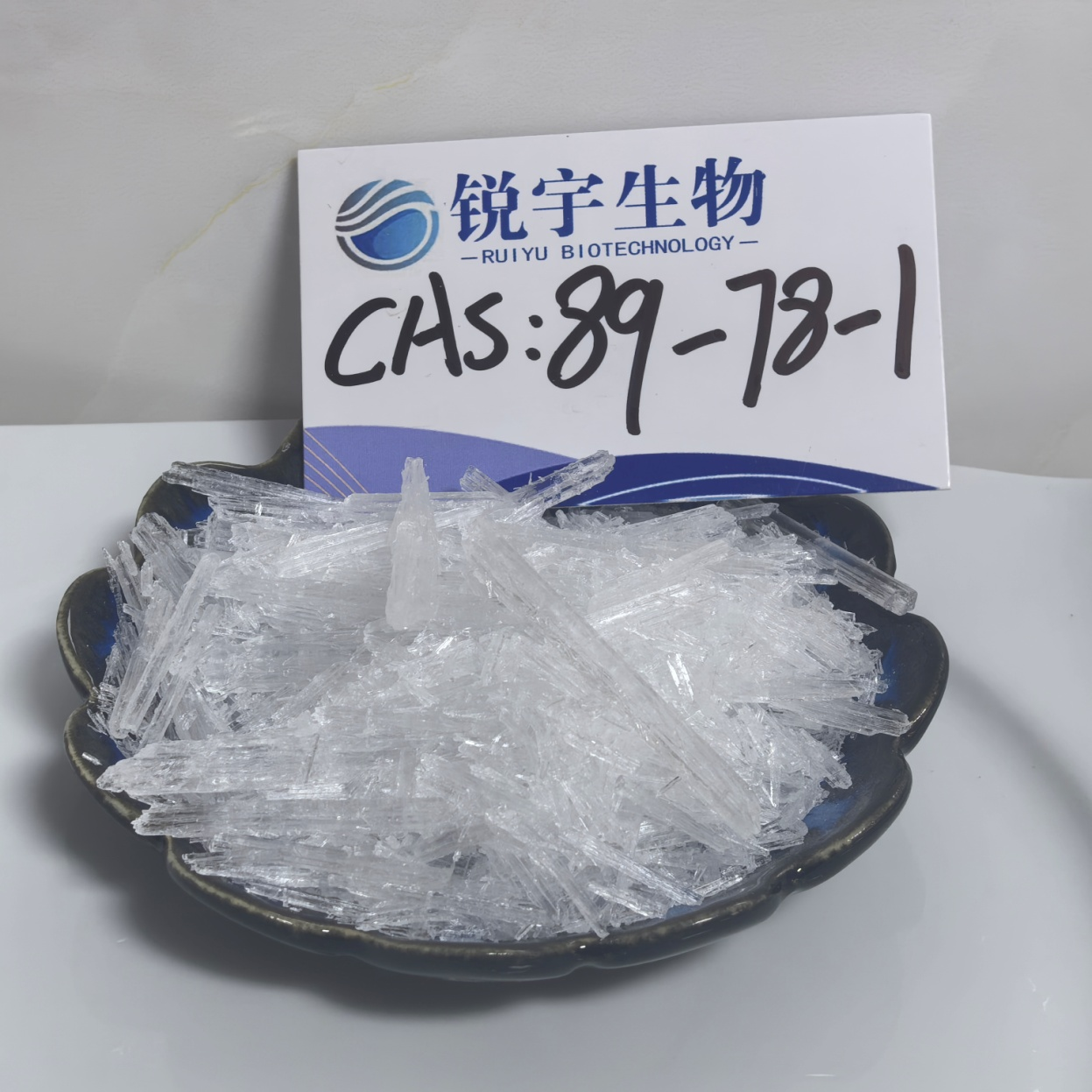
Understanding High-Purity Menthol Crystals and Cosmetic-Grade Standards
What defines high-purity menthol crystals?
Menthol crystals of high purity typically have at least 99.5% L-menthol content. They don't contain any synthetic additives or leftover solvents from processing. These pure crystals also show very consistent physical characteristics including a melting range between 41 and 44 degrees Celsius, plus they rotate polarized light in the range of minus 45 to minus 50 degrees. When intended for cosmetics, manufacturers perform extra quality checks on batches before release. Testing confirms that heavy metals stay under 10 parts per million threshold and bacteria counts fall well within acceptable ranges established by regulatory bodies for skin contact products. This ensures compliance with industry safety requirements for topical applications.
Pharmaceutical vs. cosmetic grade: Key differences in specifications
Pharmaceutical-grade menthol follows USP/EP monographs focused on oral and systemic safety, while cosmetic-grade prioritizes dermal compatibility. Notable distinctions include:
- Irritation thresholds: Cosmetic-grade requires <0.1% residual menthofuran (a skin irritant), compared to up to 0.5% allowed in pharmaceuticals
- Particle size: Cosmetic formulations typically require 50-200µm crystals for uniform dispersion, whereas drug products have less stringent sizing requirements
- Stability testing: Cosmetic-grade menthol must demonstrate 18-month stability under ICH Q1A guidelines, ensuring performance over time in consumer products
How purification methods impact safety and suitability for topical use
Fractional crystallization reduces phenolic impurities linked to sensitization by 87% (Dermatology Research, 2022). Centrifugation at 12,000 RPM effectively removes dementholized oil contaminants, achieving d-limonene levels below 100 ppm. Post-processing infrared spectroscopy confirms molecular integrity, preserving the cooling effect while minimizing risk of irritation or crystalline inconsistency.
Regulatory benchmarks: FDA, EU Cosmetics Regulation, and ISO standards
Under EU Cosmetics Regulation EC 1223/2009, manufacturers can only include up to 1% menthol in leave-on facial products. That's pretty strict compared to what happens across the Atlantic where the FDA allows much higher concentrations in over-the-counter pain relief creams under regulation 21 CFR 330. When it comes to proving something is naturally sourced, ISO standard 16128-2 from 2017 sets out what documents companies need to show. They typically use gas chromatography mass spectrometry tests to verify if ingredients actually come from plants as claimed. Things have gotten more rigorous lately too. Certifications from third parties such as NSF/ANSI 455 are checking around four out of five U.S. suppliers of cosmetic grade menthol these days for good manufacturing practices. This kind of oversight helps keep tabs on where stuff really comes from throughout the whole supply chain.
Incorporating Menthol Crystals into Cosmetic Formulations
Why Formulators Choose Menthol Crystals in Skincare and Haircare Products
Menthol crystals do double duty as both something that enhances sensations and actually works inside products. According to the DermScience Review from last year, around two thirds of all cooling skincare items on shelves today contain menthol because when it touches skin, it changes state really quickly. The stuff only needs to be added between 0.1% and 2% concentration to work properly, which makes it cheaper than those artificial coolants brands often use these days. Plus, consumers are starting to care more about what goes into their cosmetics, so this natural option fits right in with current trends toward cleaner formulations. What's particularly handy about menthol though is how it can mask unpleasant smells in serum blends and shampoo formulas without messing with the pH balance. This means manufacturers can incorporate it into almost any kind of product without worrying about compatibility issues down the line.
Sensory Benefits: Achieving the Cooling Effect and Enhancing User Experience
Menthol activates trigeminal nerves, producing an immediate cooling sensation that increases perceived efficacy by 42% in blinded trials. This effect enhances user experience in after-sun care and scalp treatments, where freshness and tingling correlate with higher satisfaction—especially in leave-on conditioners versus rinse-off versions (Cosmetic Consumer Insights 2024).
| Product Type | Optimal Menthol Concentration | Duration of Cooling Effect |
|---|---|---|
| Lip Balms | 0.3-0.7% | 45-60 minutes |
| Muscle Gels | 1.2-1.8% | 2-3 hours |
| Scalp Serums | 0.5-1.0% | 30-90 minutes |
Overcoming Formulation Challenges: Solubility, Stability, and Controlled Release
Menthol's volatility presents challenges, but cyclodextrin encapsulation extends stability in aqueous systems from 3 to 18 months. Dissolving crystals below 40°C using 30%-50% ethanol ensures homogeneous distribution without sublimation. Time-release microspheres prevent migration in emulsions, reducing crystallization defects by 91% in clinical testing and improving long-term performance.
Synergistic Pairings With Essential Oils and Active Ingredients
Menthol boosts how well peppermint oil works to widen blood vessels in hair growth products, while also making camphor taste less harsh in pain relief medications. Studies show that at around 0.8%, menthol actually helps things get absorbed through the skin better. For instance, CBD gets into the skin about 27% more effectively, and those arnica compounds penetrate about 33% deeper than without it. Combine menthol with bisabolol in formulas made for sensitive skin, and what happens? A nice cooling effect that calms things down, reducing redness and irritation by nearly 60% according to lab tests. Pretty impressive stuff when looking at ingredient combinations.
Safety, Skin Compatibility, and Usage Guidelines for Menthol Crystals
Clinical Evidence on Dermal Tolerance and Irritation Potential
Research indicates good skin compatibility for menthol concentrations at 0.5% or lower. Looking at data from a recent 2023 study combining results from 27 different trials with around 8,200 participants, most people experienced nothing more than a brief tingling sensation. Only about 1.8% even noticed this minor effect, and there were absolutely no reports of long-lasting skin issues. This aligns with what the European Commission's Scientific Committee on Consumer Safety concluded back in their assessment. They determined that when properly diluted, menthol doesn't really cause much in the way of allergic reactions for most users.
Safe Concentration Thresholds for Leave-On and Rinse-Off Products
| Product Type | Maximum Safe Concentration | Regulatory Source |
|---|---|---|
| Leave-on creams | 0.1% - 0.5% | EU Cosmetics Regulation |
| Rinse-off cleansers | 1.0% - 2.0% | FDA OTC Monograph |
| Formulators must adjust total menthol content downward when combining with other cooling agents like peppermint oil—typically reducing by 30% to stay within safety thresholds. |
Risk Considerations for Sensitive, Damaged, or Pediatric Skin
When TRPM8 receptors get activated by menthol, it can actually make things worse for people with damaged skin barriers. That's why dermatologists from the American Academy of Dermatology generally tell folks not to put menthol products on skin that's already struggling with issues like eczema flare-ups, after getting sunburned, or following medical treatments. Kids under twelve years old need special consideration too. The Cosmetic Ingredient Review Panel suggests keeping menthol levels below 0.05% in products meant for children because their outer skin layer is naturally thinner, which means they absorb stuff through their skin much faster than adults do. Parents should be extra cautious here since even small amounts can sometimes cause irritation problems.
Regulatory Compliance and Labeling Requirements for Menthol in Cosmetics
INCI Naming Conventions and Ingredient Disclosure Obligations
When it comes to cosmetic labeling regulations, menthol crystals need to appear simply as "Menthol" on ingredient lists according to the International Nomenclature of Cosmetic Ingredients (INCI) standards, no matter where they come from. The Food and Drug Administration over here in the US and their counterparts across Europe both insist that all ingredients be listed from most to least concentrated. And there's an extra rule when menthol makes up more than 1% of the product formula - manufacturers have to actually put that percentage right there on the label. These requirements aren't just bureaucratic red tape. They serve a real purpose by helping folks avoid allergic reactions and make better decisions about what goes onto their skin, particularly important for products containing multiple active ingredients such as those soothing after-sun lotions or medicated scalp solutions people apply daily.
Regional Restrictions on Menthol Levels in Cosmetic Products
Global regulations vary significantly:
- EU: Limits leave-on products to 4% and rinse-off to 6% (EU Cosmetics Regulation 1223/2009)
- USA: No fixed caps but requires manufacturers to substantiate safety
- Japan: Caps topical menthol at ¥5% in adult skincare
A 2023 cosmetic safety assessment found that 89% of compliant products maintain menthol levels below 3.2% to minimize irritation risks. Formulators should consult regional resources such as the EU's CosIng database before market entry to avoid non-compliance issues.
Market Trends and Innovations in Menthol Crystal Applications
Microencapsulation for Sustained and Gentle Menthol Delivery
Microencapsulation technology traps 99% pure menthol in polymer matrices, enabling gradual release that reduces irritation by 47% compared to direct application (Cosmetic Science Review 2023). These encapsulated crystals are now used in 28% of pain-relief gels and 19% of cooling moisturizers, extending efficacy by 3–5 hours per application.
Rising Demand for Natural Cooling Agents in Clean and Premium Beauty Lines
Clean beauty trends are driving most of the recent growth in menthol crystal usage, as these natural alternatives take over from synthetic coolants such as WS-3 and WS-23 that many consumers now avoid. Looking at data from the latest Cosmetic Ingredient Trends Analysis for 2024, we see plant-based menthol making waves in the market, covering around 70 percent of all cooling agents used in everyday skincare products. People today really care about what goes into their cosmetics, so it's no surprise they're hunting down those ISO 16128 certified ingredients. Many customers actually shell out about 22% extra when shopping for products that mix mint-sourced menthol with organic chamomile or lavender extracts, even though this combination costs manufacturers more to produce.
Sustainable Sourcing and Environmental Impact of High-Purity Menthol Crystals
Top producers achieve 92% waste recovery through green chemistry practices. CO₂ extraction cuts energy use by 31% compared to steam distillation, and water recycling conserves 18 liters per kilogram of final product. Third-party audits show 89% of cosmetic-grade menthol meets Ecovadis sustainability criteria, with blockchain traceability ensuring transparency from farm to formulation.
FAQ
What are high-purity menthol crystals used for?
High-purity menthol crystals are commonly used in cosmetics and pharmaceuticals for their cooling effects and scent masking abilities. They are popular in skincare and haircare products.
How is cosmetic-grade menthol different from pharmaceutical-grade menthol?
Cosmetic-grade menthol focuses on dermal compatibility and skin safety, while pharmaceutical-grade menthol adheres to oral and systemic safety standards, allowing higher thresholds for certain irritants.
What are the safety thresholds for menthol in cosmetics?
Leave-on creams typically have 0.1% to 0.5%, while rinse-off products can have 1.0% to 2.0%. It's important to adjust levels when mixing with other cooling agents.
Table of Contents
- Understanding High-Purity Menthol Crystals and Cosmetic-Grade Standards
- Incorporating Menthol Crystals into Cosmetic Formulations
-
Safety, Skin Compatibility, and Usage Guidelines for Menthol Crystals
- Clinical Evidence on Dermal Tolerance and Irritation Potential
- Safe Concentration Thresholds for Leave-On and Rinse-Off Products
- Risk Considerations for Sensitive, Damaged, or Pediatric Skin
- Regulatory Compliance and Labeling Requirements for Menthol in Cosmetics
- INCI Naming Conventions and Ingredient Disclosure Obligations
- Regional Restrictions on Menthol Levels in Cosmetic Products
- Market Trends and Innovations in Menthol Crystal Applications
- FAQ