 EN
EN
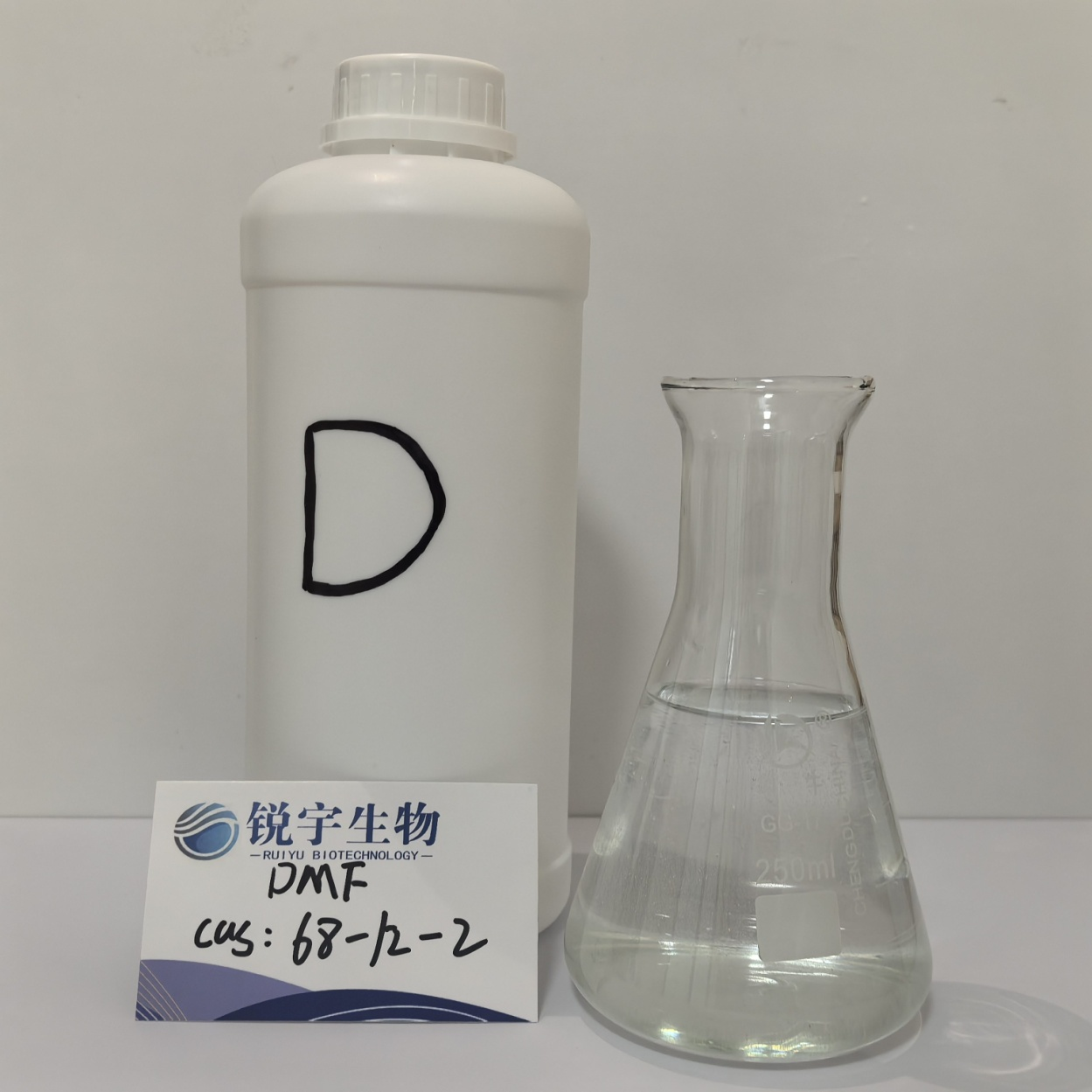
The Role of DMF in Meeting Varied Industrial Demands
Dimethylformamide, or DMF as it's commonly called, plays a major role in many industrial applications where solvents need to be both versatile and reliable. Found everywhere from drug manufacturing labs to plastic production facilities, this compound has some pretty impressive properties. With a boiling point around 153 degrees Celsius and its unique polar aprotic characteristics, DMF can handle both types of molecules - those that love water and those that repel it. That makes it especially useful when chemists are working on complicated reactions or developing new active pharmaceutical ingredients. According to recent industry reports, most specialty chemical producers have made DMF their go-to choice because it helps keep unstable reaction components from going rogue during delicate manufacturing steps.
Customizing DMF Through Purity Control and Formulation Adjustments
Tailoring DMF involves adjusting purity typically between 99.8% and 99.9% for industrial applications and blending with co-solvents such as dimethylacetamide or acetone. These modifications optimize performance for specific uses:
| Purity Grade | Key Applications | Impurity Limits |
|---|---|---|
| Industrial | PU foams, coatings | ≤ 0.1% water |
| Reagent | Peptide synthesis, electronics | ≤ 50 ppm metals |
Such customization enhances dielectric properties in capacitor manufacturing or minimizes side reactions in solid-phase peptide synthesis (SPPS).
High-Purity and Specialized DMF Grades for Sensitive Processes
Pharmaceutical-grade DMF, compliant with USP and EP standards, is essential for high-value applications where residual amine levels must remain below 10 ppm to prevent premature peptide chain termination. Top suppliers achieve this through advanced distillation techniques, refined by 92% of leading manufacturers since 2020 to meet ISO 9001 requirements for batch consistency.
Supplier Capabilities in Delivering Niche, Application-Specific DMF Solutions
Leading providers now offer specialized DMF formulations tailored to niche demands:
- Low-odor DMF: Reduced vapor pressure variants for textile dyeing operations
- Stabilized grades: Antioxidant-enhanced versions for extended storage in humid environments
- Custom blends: Pre-mixed solutions like DMF/THF for PVC membrane production
This shift toward application-specific solutions aligns with the 35% year-over-year growth in demand for customized solvent systems, according to the 2023 Chemical Processing Report.
DMF as a Solvent in API Development and Chemical Synthesis
Dimethylformamide (DMF) is really important for making active pharmaceutical ingredients because of its special properties as a polar aprotic solvent that can handle those tricky hydrophobic compounds. Its boiling point sits around 153 degrees Celsius, which means reactions can go on longer at higher temps without everything evaporating away too fast. This actually makes processes about 40 percent more efficient than when using something like acetone that boils much quicker. A recent market analysis from 2024 showed something interesting too: DMF helps speed up crystal formation in roughly three out of four small molecule APIs. Even better, it keeps purity levels above 99.5%, meeting those strict FDA standards manufacturers need to follow for their products to get approved.
Role of DMF in Solid-Phase Peptide Synthesis (SPPS)
DMF works really well in SPPS processes because it makes those resin beads swell up properly and helps get rid of those pesky Fmoc protecting groups when doing all those coupling steps one after another. What's interesting is how DMF holds up much better than dichloromethane when things get wet. The resin stays intact under water conditions, which means we can actually achieve around 95% coupling efficiency even when making long peptides with over 30 amino acids in them. There was this study published last year in Organic Process Research & Development that looked at what happens if someone tries swapping out DMF for ethyl acetate instead. Turns out they saw a whopping 62% jump in failed syntheses simply because the protection wasn't fully removed from the molecules being made.
Challenges with Alternatives to DMF in Scalable Peptide Manufacturing
N-methyl-2-pyrrolidone or NMP has about the same polarity as other solvents but needs around 15 to 20 percent more volume to get the same resin swelling effect. This means higher costs when scaling up production for real world applications. The ionic liquid options aren't much better either. Most process data shows roughly 83 percent of them start breaking down once temperatures go over 80 degrees Celsius. No wonder then that almost all peptide manufacturing plants still rely on DMF even though regulations are getting stricter regarding worker exposure limits. The industry hasn't found a good replacement yet.
Solvent Blends Like DMSO/EtOAc Reducing DMF Use Without Sacrificing Performance
Mixing dimethyl sulfoxide (DMSO) with ethyl acetate and adding around 10 to 30 percent DMF gives similar solvency properties but cuts down overall DMF usage by roughly half to three quarters in polyamide coatings. Tests using Hansen Solubility Parameters show these three component blends keep the right balance between dispersion and polar forces (around 18.2 and 16.4 MPa square root respectively) needed for dissolving polyurethanes. Industry trials have confirmed this works well in practice too. The approach aligns nicely with the EPA's 2025 safer chemical targets, plus manufacturers won't need to overhaul their reactors or invest in expensive equipment upgrades to implement it.
DMF in Polymer and Polyurethane Production: Customization and Process Optimization
DMF as a Critical Solvent in Polymer and PU Manufacturing
The thermal stability and high boiling point of DMF mean it works really well when dissolving certain polymers like polyacrylonitrile (PAN) and those precursor materials used in polyurethane (PU). This property helps create fibers that are uniform in synthetic textiles, plus it leads to consistent films forming during coating applications. When we compare DMF to something like acetone, there's actually a noticeable difference. The PU curing process takes about 15 to 20% less time with DMF, which translates into real savings on energy costs during those drying steps in manufacturing. For industrial operations looking to cut down on both time and power consumption, this makes DMF a smart choice despite its higher initial cost compared to alternatives.
Industrial Uses of DMF in Synthetic Fiber and Coating Production
Over 65% of synthetic fiber manufacturing including nylon and acrylics relies on DMF as a primary solvent. In automotive coatings, DMF improves scratch resistance by promoting cross-linking within PU matrices. A 2024 Polymer Processing Report notes that DMF-based finishes retain adhesion at temperatures up to 120°C, outperforming water-based options by 30–40%.
Optimizing Solvent Blends with DMF for Polyurethane Coating Applications
Combining DMF with ethyl acetate (EtOAc) reduces overall DMF usage by 25–35% while preserving dissolution performance. For spray-applied coatings, a 7:3 DMF/EtOAc ratio enhances atomization without compromising film quality. This approach lowers worker exposure risks and complies with EU REACH guidelines limiting DMF concentrations to below 0.3% in consumer-facing products.
Using Hansen Solubility Parameters (HSP) to Enhance DMF-Based Formulations
HSP analysis shows DMF’s values δD (18.0), δP (13.7), and δH (11.3) MPa¹/² are well-matched to polar polymers like PVDF. Manufacturers leverage HSP-guided blending to replace 10–15% of DMF with γ-valerolactone (GVL) in battery separator coatings, achieving similar solubility (ΔHSP < 2 MPa¹/²) while reducing toxicity.
Purity Standards, Quality Grading, and Market Segmentation of Industrial DMF
Comparing Industrial-Grade vs. Reagent-Grade DMF Purity and Suitability
Industrial needs dictate strict DMF specifications, with key differences between standard and high-purity grades:
| Parameter | Industrial-Grade DMF | Reagent-Grade DMF |
|---|---|---|
| Purity Level | ≥99.5% | ≥99.9% |
| Primary Use Cases | Polymer production, general solvents | Pharmaceutical APIs, SPPS |
| Cost Range/Liter | $8–$12 | $25–$35 |
Reagent-grade DMF ( ≥99.9% purity) is required for pharmaceutical processes such as solid-phase peptide synthesis, where trace impurities could compromise drug safety. Industrial-grade DMF meets performance needs for PU coatings and adhesives at 65–70% lower cost. New EPA guidelines mandate ≥99.7% purity for battery electrolyte applications, driving interest in intermediate hybrid grades.
Market Segmentation by DMF Product Type and Application Requirements
The $2.1 billion DMF market divides into three core segments:
- Electronics (38%): Ultra-high-purity DMF for semiconductor cleaning, commanding prices up to $740/L
- Pharma/Chemicals (32%): USP-compliant grades for antibiotic and peptide synthesis
- Coatings (25%): Bulk industrial DMF used in PU dispersions (<$15/L)
Asia-Pacific leads global demand with 54% market share and a projected 5.2% CAGR through 2028, fueled by China's rapid battery production (+19% YoY) and India’s expansion in generic drug manufacturing. North American markets increasingly favor EPA-compliant recycled DMF, accounting for 28% of premium-grade sales.
Regulatory Constraints and the Shift Toward Safer, Sustainable DMF Alternatives
Health and Toxicity Risks of DMF in Industrial Workplaces
Working with DMF can really hurt workers' health over time. We're talking about serious issues like liver problems, nerve damage, and skin absorption that gets into the body. Recent research from last year showed something alarming: around one out of five workers who handled DMF without proper safety gear started showing signs of liver damage early on. The Environmental Protection Agency has put DMF on their priority list for replacement chemicals because it causes reproductive problems and qualifies as a VOC, which means it evaporates easily into the air. This classification isn't just bureaucratic red tape either; it reflects real concerns about long term worker safety and environmental impact that manufacturers need to address seriously.
Global Regulatory Trends Limiting DMF Use in Consumer-Facing Industries
| Regulatory Shift | Impact on DMF Demand |
|---|---|
| EU REACH restrictions | 34% decline in DMF usage for textiles since 2022 |
| EPA Toxics Release Inventory reporting | 29% increase in substitution research funding |
| Asia-Pacific GHS compliance mandates | 18% market share drop in consumer electronics coatings |
The EU’s 2025 ban on DMF in furniture-related polyurethane coatings has accelerated reformulation efforts, with 45% of manufacturers actively pursuing EPA-compliant alternatives.
Emerging Green Solvents: GVL, Polarclean, and NBP as DMF Replacements
- Gamma-valerolactone (GVL): Demonstrates 85% solvent power equivalence to DMF in peptide synthesis based on 2024 green chemistry trials
- Polarclean® (methyl-5-(dimethylamino)-2-methyl-5-oxopentanoate): Offers 40% lower aquatic toxicity than DMF
- N-butylpyrrolidone (NBP): Matches DMF’s Hansen solubility parameters while reducing workplace exposure risk by 72%
These alternatives support regulatory compliance under CLP rules particularly addressing DMF’s R43 skin sensitization classification while maintaining efficacy in API development.
Balancing DMF’s Performance with Environmental and Safety Imperatives
The manufacturing sector is dealing with a major dilemma these days. On one hand, DMF remains incredibly effective as a solvent thanks to those impressive Hansen parameters (δD at 17.4, δP around 13.7, and δH about 11.3). But there's a problem because regulatory agencies classify it as a Category 2 carcinogen. Some companies have made progress though. Closed loop systems now let them recycle up to 92% of their DMF, which cuts waste significantly. Others are experimenting with bio-based alternatives that slash carbon emissions by roughly 40%. For most plants, the real breakthrough comes when they mix different approaches. Combining traditional DMF with newer materials works surprisingly well in many applications. Manufacturers who want to keep their operations running smoothly without compromising on safety standards need to get creative with these hybrid solutions. Environmental regulations continue tightening, so finding ways to maintain product quality while reducing health risks isn't just good practice anymore, it's becoming essential for staying competitive.
FAQs on DMF Customization and Usage
What is the importance of DMF in industrial applications?
DMF is crucial in diverse industrial applications due to its versatile properties as a solvent, particularly in drug manufacturing and plastic production. It can handle both hydrophilic and hydrophobic molecules effectively, making it invaluable in complex chemical reactions.
How is DMF customized for different applications?
DMF customization involves adjusting its purity levels and formulating it with co-solvents like dimethylacetamide for optimized performance tailored to specific industrial needs.
Are there alternatives to DMF, and why are they being considered?
Yes, alternatives such as GVL, Polarclean, and NBP are being explored due to regulatory concerns regarding DMF’s toxicity and environmental impact.
What are the main health concerns of using DMF?
DMF poses health risks including liver damage, nerve impairment, and skin absorption issues, hence its categorization as a VOC and priority list placement for finding substitutes.
Table of Contents
- The Role of DMF in Meeting Varied Industrial Demands
- Customizing DMF Through Purity Control and Formulation Adjustments
- High-Purity and Specialized DMF Grades for Sensitive Processes
- Supplier Capabilities in Delivering Niche, Application-Specific DMF Solutions
- DMF as a Solvent in API Development and Chemical Synthesis
- Role of DMF in Solid-Phase Peptide Synthesis (SPPS)
- Challenges with Alternatives to DMF in Scalable Peptide Manufacturing
- Solvent Blends Like DMSO/EtOAc Reducing DMF Use Without Sacrificing Performance
- DMF in Polymer and Polyurethane Production: Customization and Process Optimization
- Purity Standards, Quality Grading, and Market Segmentation of Industrial DMF
- Regulatory Constraints and the Shift Toward Safer, Sustainable DMF Alternatives
- FAQs on DMF Customization and Usage