
 EN
EN
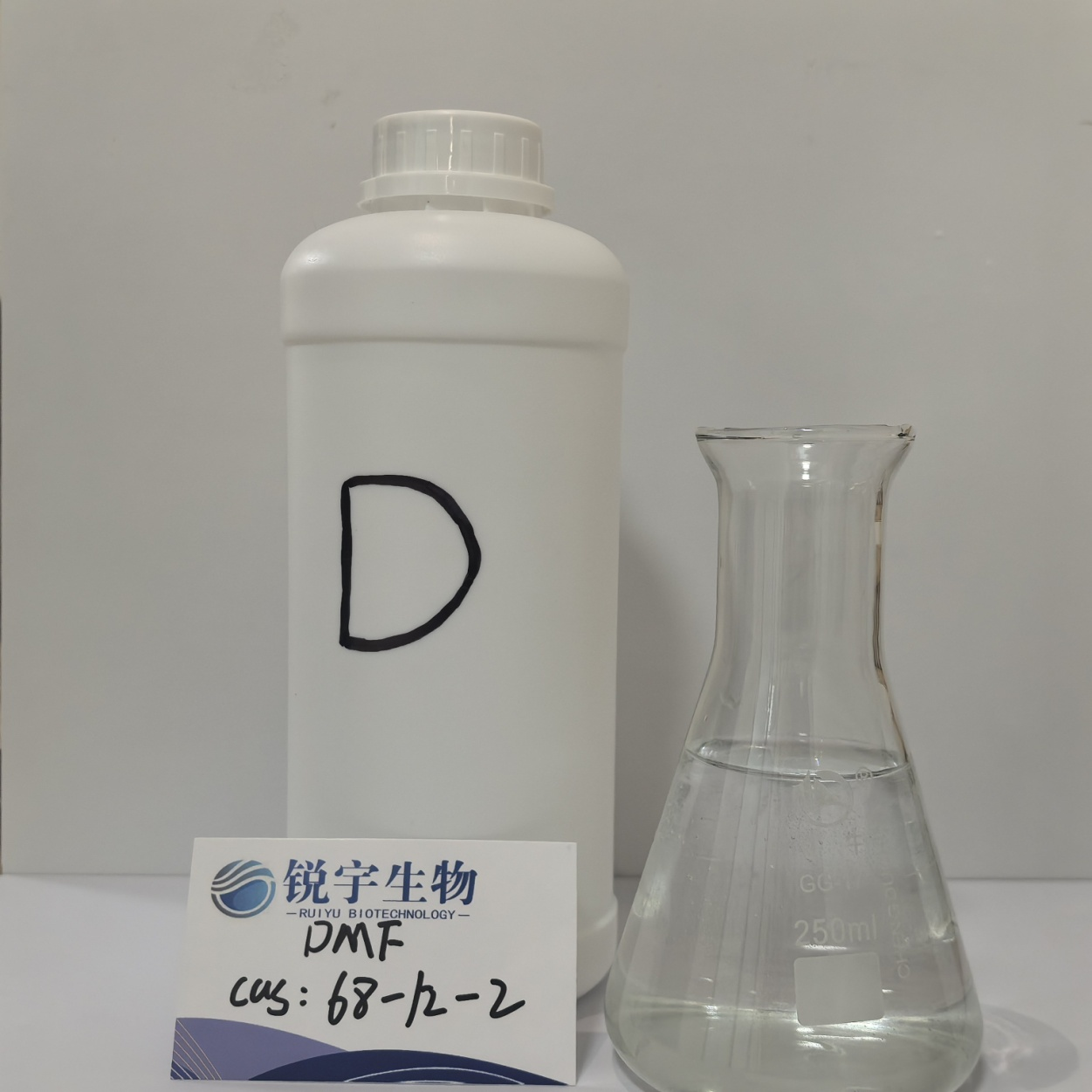
Chemical Manufacturing: Core Uses of DMF Dimethylformamide
Role of DMF in catalytic reactions and organic synthesis
Dimethylformamide, or DMF for short, really speeds things up when it comes to forming acid chlorides. According to some research from Ponemon back in 2023, reactions start about 89 percent quicker than they do with other solvents. What's interesting is how DMF keeps those tricky intermediate compounds stable during reactions with thionyl chloride. Take the Vilsmeier-Haak complex for example. When making pharmaceutical ingredients, this stability cuts down on unwanted side products by around 34%. But there's a catch. The process creates tiny amounts of dimethylcarbamoyl chloride, which happens to be carcinogenic. That means labs need to have pretty tight control measures in place to handle these dangerous leftovers safely.
Solvent properties of DMF enabling high reaction efficiency
DMF has a pretty impressive dielectric constant at around 36.7 and boils at about 153 degrees Celsius. What makes it so useful is that it can dissolve both polar and non-polar substances while staying stable when heated. The chemical's unique properties actually cut down those pesky multi-phase reactions during polymer precursor production by roughly 72%, according to research published last year looking specifically at how polyimides are made. Most interestingly, nearly two thirds of all industrial hydrogenation processes rely on DMF these days because it stops catalysts from getting poisoned thanks to its excellent ligand coordination capabilities. This characteristic alone explains why so many manufacturers continue to favor DMF despite newer alternatives entering the market.
Case study: DMF in industrial-scale chemical processing
A major European chemical plant reduced annual DMF consumption by 40% (6,200 metric tons) after implementing vapor recovery systems, cutting production costs by $18M/year. The solvent’s compatibility with high-throughput purification systems enabled 99.8% purity in acrylic fiber outputs and maintained 93% batch consistency—essential for aerospace-grade composites (Future Market Insights 2023).
Trends in sustainable recovery and recycling of DMF
Advanced membrane filtration now recovers 92–95% of spent DMF from reaction slurries, up from 78% with legacy distillation methods. Closed-loop systems in Chinese pharmaceutical hubs have reduced solvent procurement costs by $7.40/kg and cut hazardous waste volumes by 740,000 liters annually (2023 Asian Chemical Sustainability Report).
Controversy Analysis: Environmental impact vs. process necessity
DMF makes up about 18% of all solvent related health issues reported in the EU according to ECHA data from 2023. The problem is that switching away from DMF in making polyurethanes could actually raise energy expenses by around 55%, since reactions just don't work as well without it. Most chemical engineers seem pretty attached to DMF too. Surveys show over 8 out of 10 still think its benefits outweigh the risks. But there's also growing interest in greener options. Nearly two thirds of those same engineers want to see bio based substitutes like gamma valerolactone gain traction, especially where safety isn't absolutely critical.
Pharmaceutical and Agrochemical Synthesis Using DMF Dimethylformamide
DMF as a Preferred Solvent in API Intermediate Production
Dimethylformamide (DMF) has become the go to solvent in making active pharmaceutical ingredients because it can handle both polar and nonpolar substances equally well. Market reports from early 2025 suggest that DMF use in pharma will grow around 4.8 percent each year until 2035. Why? Because manufacturers need this stuff to clean up intermediate products when producing those HIV treatments and cancer medications. The fact that DMF doesn't evaporate easily makes all the difference during crystal formation processes. At room temperature, its vapor pressure stays below 0.3 kilopascals which means scientists can maintain exact temperatures needed to get those super pure compounds. For example, when working on imatinib mesylate precursors, this property helps reach that magic number of 99.5% purity or better.
Application in Peptide Coupling and Nucleoside Chemistry
DMF works great as an aprotic solvent for forming amide bonds in peptides, giving around 85 to 92 percent coupling efficiency which is significantly better than what we get with THF at only 60 to 75 percent. A study from Corteva Agriscience back in 2020 showed how effective DMF really is when making nucleoside analogs too. The solvent helps keep those delicate intermediate compounds stable throughout the phosphorylation process. What makes DMF stand out even more is its high dielectric constant of 36.7. This property allows various reagents to dissolve properly during complex antiviral drug syntheses. We've seen this benefit firsthand in developing the remdesivir side chain, where proper solubility was absolutely critical for success.
Case Study: DMF in Commercial Agrochemical Formulation
One major herbicide company cut their production expenses by around 18 percent after making the switch to DMF based solvent systems when working with sulfonylurea compounds. Tests showed that this new formulation actually got 97% of the active ingredients into the soil during field tests, which is quite an improvement over the previous 89% effectiveness rate seen with acetonitrile based options. The benefits don't stop there either. Experts predict that innovations like these will help grow the agrochemical DMF market to nearly 689.5 million dollars by 2035. This growth is especially noticeable in glyphosate adjuvant systems where stable pH levels are absolutely critical for proper function.
Regulatory Challenges and Residual Solvent Limits
According to the ICH Q3C guidelines, manufacturers must keep DMF residue levels below 880 parts per million in finished drug products. This requirement pushes companies toward sophisticated distillation methods that achieve over 99.8 percent recovery rates. The financial burden is growing too, with facilities spending around seven hundred forty thousand dollars each year just to comply with the EPA's new 2024 VOC emission rules. While these regulations create significant operational challenges, the pharmaceutical industry continues to rely heavily on DMF for producing taxane-based chemotherapies. Finding practical solutions that satisfy both regulatory demands and manufacturing needs has become one of the biggest headaches facing plant managers across the sector.
Polymer and Advanced Material Production Enabled by DMF
DMF serves as a critical enabler in synthesizing polymers with precision-engineered properties. Its high polarity and thermal stability make it indispensable for applications requiring controlled molecular interactions, from industrial fibers to filtration systems.
Use of DMF in Acrylic Fiber and Polyimide Manufacturing
DMF’s ability to dissolve polar polymers without chain degradation underpins its use in producing acrylic fibers for textiles and polyimide resins for aerospace components. These applications account for 58% of DMF consumption in advanced manufacturing sectors, driven by demand for heat-resistant and lightweight alternatives to metals.
Solvent Properties of DMF Supporting High-Purity Polymerization
Its low viscosity and azeotrope-breaking capabilities enable >99% monomer conversion rates in polyurethane and polyamide production. This minimizes residual catalysts in final products, meeting stringent purity standards for medical-grade plastics.
Case Study: DMF in Membrane Fabrication for Water Treatment
A 2023 study showed that DMF-based phase inversion techniques improved porosity control in reverse osmosis membranes by 22%, resulting in 40% higher contaminant rejection rates compared to traditional solvents. This advancement supports cost-effective desalination in water-scarce regions (Journal of Polymer Materials).
Performance Advantages in Specialty Coatings and Films
Coatings processed with DMF exhibit superior adhesion and chemical resistance, extending the service life of automotive components by 3–5 years under extreme temperature cycles.
Emerging Trends and Sustainable Alternatives in DMF Applications
Innovations in Green Chemistry Reducing DMF Environmental Footprint
The latest improvements in solvent recovery tech have cut down DMF emissions by as much as 78% across various industries, based on findings from a recent 2024 study published in the Journal of Industrial Solvents. For those dealing with leftover DMF, catalytic degradation offers a safer way to break it down, and manufacturers are starting to mix DMF with biodegradable components in their solvent blends. Pharmaceutical companies have made significant progress too, with membrane separation systems recovering around 92% of DMF during drug production processes. This not only helps meet environmental regulations but also saves money on raw materials, making these advancements attractive for businesses looking to green their operations without sacrificing productivity.
Shift Toward Bio-Based Alternatives and Closed-Loop Systems
Manufacturers across the chemical sector are testing closed loop DMF recycling systems that manage to reclaim over ninety five percent of their solvent inputs according to recent industry reports. Some promising alternatives on the horizon include bio based solvents such as 2 methyltetrahydrofuran which has similar polarity characteristics around 8.2 compared to DMFs 10.5 and cuts down aquatic toxicity risks by roughly two thirds. The field is seeing several exciting innovations right now. Hybrid approaches where companies substitute thirty to forty percent of traditional DMF with non VOC options are gaining traction. Meanwhile smart distillation technologies powered by artificial intelligence can now purify solvents to nearly 99.8% purity making them suitable for multiple cycles of use. Certain regions have also started implementing recovery protocols certified under ISO 14034 standards, though adoption remains uneven across different markets.
Balancing Industrial Reliance on DMF With Regulatory and Ecological Demands
Even though it plays a key role in making electrolytes for lithium-ion batteries and producing polyimides, about 8 out of 10 EU manufacturers have already met those strict REACH regulations limiting workplace exposure to no more than 0.5 parts per million. Looking ahead, the EPA's new guidelines from 2025 aim to cut down on DMF use by nearly half for things that aren't essential by the year 2035. Recent research published last year shows something interesting too: when companies optimize their DMF recovery systems, they actually manage to reduce cancer risks by around 22 percent without hurting the results of their chemical reactions during API synthesis. This supports what many experts are suggesting these days - keep using DMF where it really matters for valuable products, but push harder for safer options everywhere else in manufacturing.
FAQ Section
What is Dimethylformamide (DMF) used for in industrial settings?
DMF is widely used in industrial settings due to its ability to speed up reactions, stabilize intermediate compounds, and dissolve both polar and non-polar substances effectively.
Why does DMF create environmental controversy?
While DMF is essential for various production processes, its use poses environmental risks, contributing to health issues, and creating financial burdens due to strict safety regulations.
What are some sustainable alternatives to DMF?
Sustainable alternatives include bio-based solvents like gamma valerolactone and closed-loop recycling systems, which aim to reduce environmental impact while maintaining production standards.