
 EN
EN
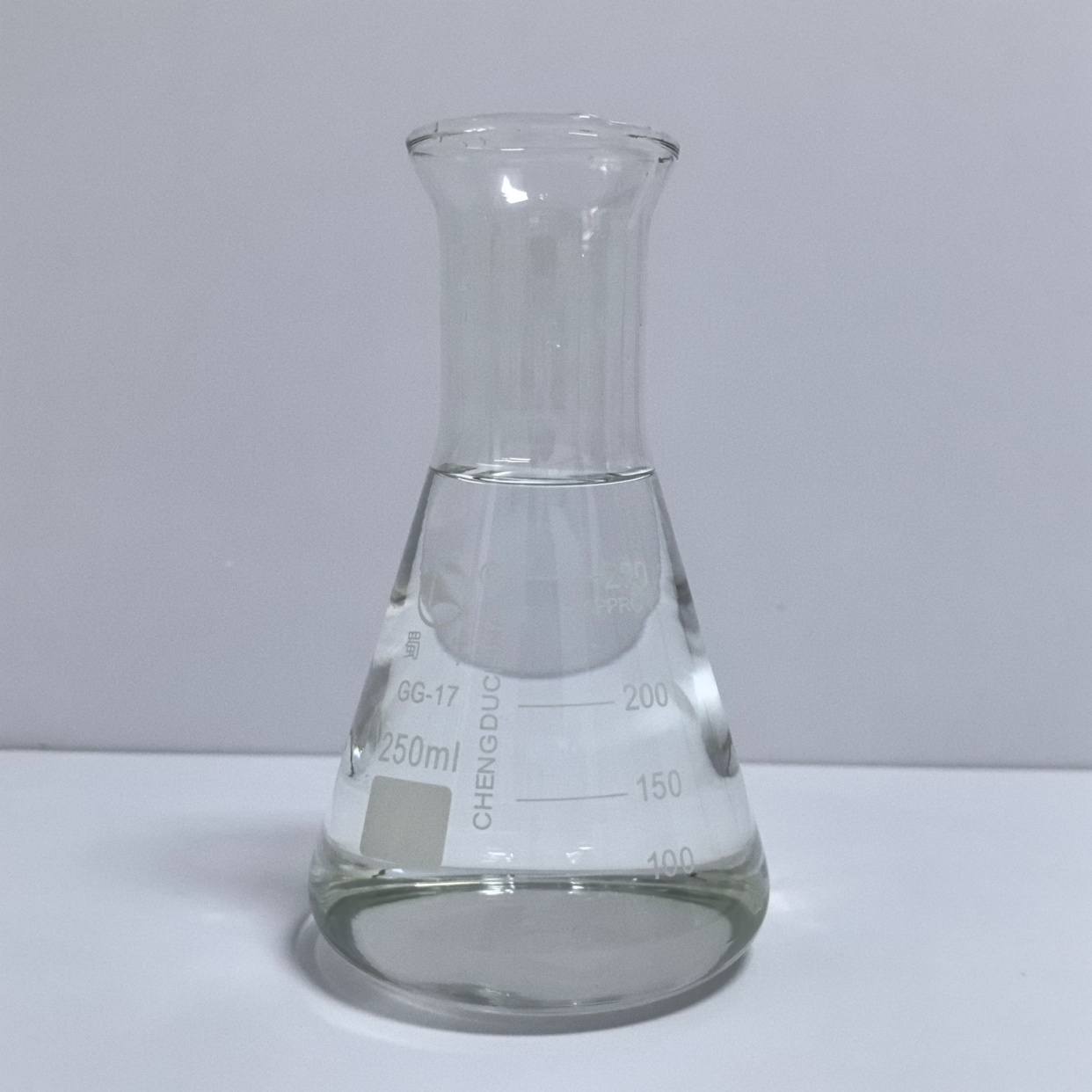
Pharmaceutical Industry: Key Applications of 5-Bromo-1-pentene
Role of 5-Bromo-1-pentene in Drug Intermediate Synthesis
5-Bromo-1-pentene serves as a valuable component in making pharmaceuticals because it has both a bromine group at one end and an alkene bond that can be manipulated during reactions to extend carbon chains exactly where needed. The molecule's four carbon atoms between these functional groups give chemists better control over how molecules arrange themselves in three dimensional space, which helps avoid unwanted side products. This becomes really important when trying to reach those high standards of drug purity, often needing to hit above 99.5%. According to research published in the Pharmaceutical Intermediates Journal last year, this compound shows up in around two thirds of all nucleophilic substitution reactions involved in creating intermediate compounds for beta blockers and blood thinners. That statistic alone explains why so many labs keep stockpiling this particular reagent despite having dozens of alternatives available.
Use of 5-Bromo-1-pentene in Heterocyclic Compound Formation
What makes 5-bromo-1-pentene so special is its dual reactivity which really helps when building those nitrogen containing rings like pyrrolidines and piperidines. When researchers looked at making antiviral quinolones recently, they found this stuff gave about 50% better results compared to old school bromohexane methods. Why? Well, the electrons just seem to distribute themselves better across the reaction sites. And here's another plus point: these reactions can happen together in what chemists call tandem processes. That means fewer steps needed to clean up the product after reactions, cutting down on work by roughly 40%. For companies developing drugs based on these ring structures, this translates into faster production times and easier scaling up from lab batches to industrial quantities.
Case Study: Anticancer Agent Precursor Development Using 5-Bromo-1-pentene
In a recent clinical stage oncology project, scientists found that using 5-bromo-1-pentene made it much easier to create PARP inhibitor precursors. They managed to cut down the number of steps needed for synthesis by around 70%, which is quite impressive when compared to older techniques. The team started by working on the alkene through Heck cross coupling, then moved on to replace the bromide part of the molecule. This approach helped them get those specific DNA binding patterns with an amazing 97.3% purity level. What really stands out though is how this new method brought down production costs by almost $18,000 per kilogram. For pharmaceutical companies looking to manufacture anticancer drugs both economically and precisely, these kinds of breakthroughs can make all the difference between staying competitive and falling behind in the market.
Trend Toward Functionalized Alkyl Chains in Active Pharmaceutical Ingredients
Drug design these days depends heavily on custom made alkyl chains to improve how well medicines dissolve, stay stable in the body, and hit their intended targets. Around 78 percent of all new drugs being developed actually include these specially designed alkyl parts, and many are using something called 5-bromo-1-pentene for selective modifications at specific locations. A report from 2022 looked into this trend and found that when active ingredients get those pentenyl additions, they tend to be absorbed through the mouth about three times better compared to versions without these changes. This kind of improvement makes a big difference for creating newer treatments where getting the molecule right down to its smallest details matters a lot for effectiveness.
Agrochemical Sector: Building Blocks and Design Challenges with 5-Bromo-1-pentene
5-Bromo-1-pentene as a Building Block for Novel Pesticide Formulations
When it comes to developing new agrochemicals, 5-bromo-1-pentene plays a crucial role as an intermediate compound for making both pyrethroid-style insecticides and certain systemic fungicides. The presence of that bromine atom makes possible various chemical reactions that help adjust how effective these pesticides actually are against target pests. Looking at what's happening recently in this field, there are some interesting developments worth noting. For instance, researchers have created light activated herbicides that stay in the soil about 40 percent less time than traditional options. At the same time, scientists are working on insecticides that don't affect the nervous system but instead work by changing specific ion channels within insects. These newer approaches generally present better environmental outcomes while maintaining good pest control performance according to most agricultural experts tracking these innovations.
Synthesis of Plant Growth Regulators via 5-Bromo-1-pentene Derivatives
Chemists have started using derivatives of 5-bromo-1-pentene to develop better plant growth regulators that work longer and cause less environmental harm. What makes these compounds special is their pentene backbone which helps create controlled release systems. For instance, when applied to gibberellin analogs, they make plants more resistant to drought conditions. And with cytokinin derivatives, there's been observed about a 22 percent boost in nitrogen uptake according to USDA trials from last year. Farmers report seeing yields stay between 15 and 30 percent higher even though they need to apply these treatments less often than traditional methods. This means not only do crops perform better but farmers can save time and resources across their growing seasons.
Balancing Reactivity and Environmental Safety in Agrochemical Design
When working with 5-bromo-1-pentene, agrochemical formulators face the challenge of balancing chemical reactivity against environmental concerns. The latest computer modeling techniques can forecast how these compounds break down in nature with around 89 percent accuracy, which helps scientists develop products that are both effective and less harmful. Field tests show that newer formulations decompose about 35% quicker under soil conditions compared to older versions. Some studies even indicate toxicity levels in water environments dropped significantly, though exact numbers vary depending on testing methods. Many top companies in this sector have started implementing closed loop systems for production processes. These setups manage to reclaim roughly 92% of bromine waste materials, making operations both economically smart and environmentally responsible at the same time.
Materials Science: Polymer and Surface Engineering Uses of 5-Bromo-1-pentene
Functional Polymers Enabled by 5-Bromo-1-pentene Crosslinking Agents
The compound 5-Bromo-1-pentene has two main features that make it really useful for creating new types of polymers. The bromine part can react with other molecules while the end of the molecule looks like an alkene which helps in forming polymers. When used as a crosslinker, this stuff actually boosts thermal stability quite a bit, maybe around 40% better than regular alkyl halides according to some tests. That means we get materials that can stand up to high heat, something industries need all the time. What's interesting is how it creates branches in polymer chains without stopping the whole process, allowing manufacturers to adjust the strength and flexibility needed for things like adhesives or coatings on medical devices. We're starting to see this material show promise in making shape memory polymers too. These special materials stay elastic even when exposed to very cold or hot conditions ranging from about minus 40 degrees Celsius up to 150 degrees Celsius, which researchers have been talking about recently.
Surface Modification Techniques Using 5-Bromo-1-pentene-Based Reagents
The field of surface engineering makes use of 5-bromo-1-pentene as a way to attach functional layers onto both metal surfaces and polymer materials through covalent bonding. When steel gets treated with siloxane layers made from this chemical, oxidation rates drop by around 58%. That means better protection against rust and corrosion overall. What's interesting is how the selective bromination property allows for creating very specific patterns needed in microelectronics work without harming the underlying substrate material. Another exciting development comes from combining it with thiol-ene click chemistry techniques. This combination led to creation of anti-fouling coatings for marine applications which cut down biofilm buildup by approximately 72% as reported in Naval Materials Journal last year. These kinds of advancements are paving the way for much longer lasting protective surfaces across various industries.
Organic Synthesis & Specialty Chemical Manufacturing: Efficiency and Alternatives
5-Bromo-1-pentene in the Production of Fine Chemicals and Ligands
What makes 5-bromo-1-pentene so useful for chemists? Its specific chain length combined with that reactive bromine atom really stands out when creating those chiral ligands and specialty fine chemicals we see in modern labs, especially within transition metal catalyst systems. When used as a leaving group during nucleophilic substitution reactions, this compound helps form bonds efficiently even in complex molecules where precision matters most. Pharmaceutical companies are paying attention too since solvent waste makes up around 74 percent of all byproducts according to recent data from IntechOpen back in 2023. That's why there's increasing interest in compounds like 5-bromo-1-pentene which allow for cleaner chemical transformations with fewer unwanted side products.
Reaction Efficiency Comparison with Alternative Bromoalkanes
| Bromoalkane | Activation Energy (kJ/mol) | Reaction Time (h) |
|---|---|---|
| 5-Bromo-1-pentene | 72–85 | 2–3 |
| 3-Bromopentane | 95–110 | 5–7 |
| 1-Bromohexane | 88–102 | 4–5 |
The compound 5-bromo-1-pentene shows activation temperatures around 8 to 12 degrees Celsius lower compared to bulkier alternatives such as 3-bromopentane. This difference leads to quicker reactions and shorter processing cycles overall. Because of these benefits, many chemists now favor this substance for green chemistry applications where reducing purification steps and cutting down on energy consumption matters most. Its performance makes it stand out among other options in contemporary synthesis methods, especially when labs need reliable results without excessive resource expenditure.
Frequently Asked Questions (FAQ)
Q: What is 5-Bromo-1-pentene used for in the pharmaceutical industry?
A: 5-Bromo-1-pentene is primarily used in the synthesis of drug intermediates, heterocyclic compounds, and functionalized alkyl chains which improve solubility and stability of medicines.
Q: Why is 5-Bromo-1-pentene preferred over other bromoalkanes?
A: It offers lower activation energy and faster reaction times, improving efficiency and reducing resource consumption during synthesis.
Q: How does 5-Bromo-1-pentene contribute to the development of agrochemicals?
A: It's used as an intermediate compound in developing novel pesticide formulations and plant growth regulators, maintaining effectiveness while reducing environmental impact.
Q: What are its applications in materials science?
A: 5-Bromo-1-pentene is employed as a crosslinker in polymer production, boosting thermal stability, and in surface modification techniques to protect against corrosion.
Q: Can 5-Bromo-1-pentene be used in green chemistry?
A: Yes, due to its efficiency in reactions, it is favored for applications in green chemistry where minimizing purification steps and energy consumption is crucial.
Table of Contents
- Pharmaceutical Industry: Key Applications of 5-Bromo-1-pentene
- Agrochemical Sector: Building Blocks and Design Challenges with 5-Bromo-1-pentene
- Materials Science: Polymer and Surface Engineering Uses of 5-Bromo-1-pentene
- Organic Synthesis & Specialty Chemical Manufacturing: Efficiency and Alternatives