
 EN
EN
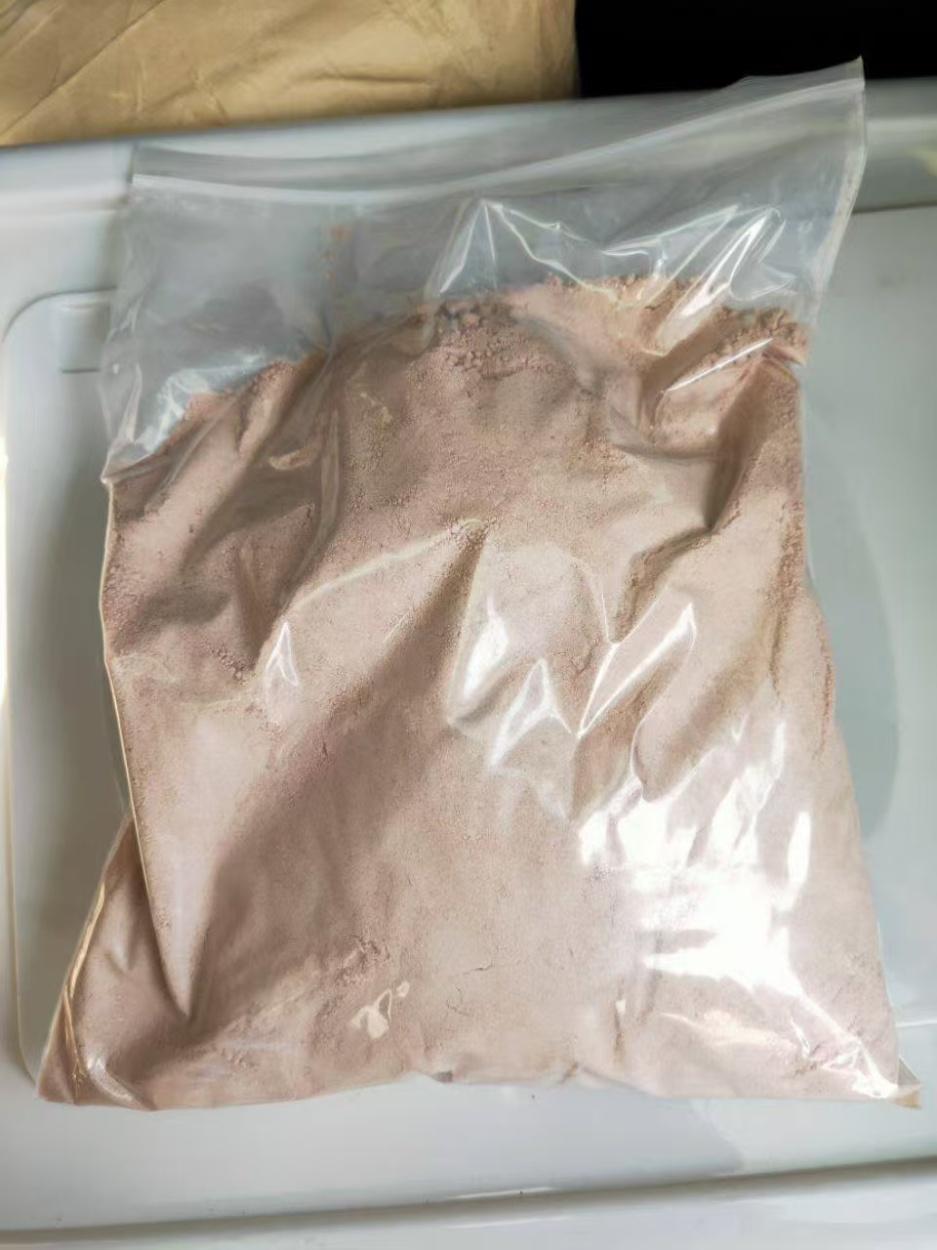
Understanding the 1-(1-Naphthoyl)indole Scaffold and Its Role in Cannabimimetic Design
The Significance of 1-(1-Naphthoyl)indole in Synthetic Cannabinoid Development
In designing synthetic cannabinoids, the 1-(1-naphthoyl)indole framework stands out as a fundamental building block because of its flat, interconnected aromatic structure that closely resembles the terpenophenolic core found in -tetrahydrocannabinol (THC). The shape of this molecule allows for robust connections with cannabinoid receptors, especially the CB1 type. What makes this compound so effective? Well, the naphthoyl part has lots of electrons which helps create those important van der Waals interactions. Plus, there's that carbonyl oxygen group that actually forms a crucial hydrogen bond with Lys192 within the CB1 receptor. According to studies by Huffman and colleagues back in 2003, this combination boosts how tightly the molecule binds to receptors by almost five times compared to versions without these aromatic features. For researchers working on cannabinoid mimics, this particular scaffold often comes out ahead when pitted against conventional THC derivatives in laboratory tests.
Structural Features Enabling Strong Interaction with CB1 and CB2 Receptors
Three core elements govern receptor engagement:
- Planar geometry: Aligns with the hydrophobic binding pocket of CB1
- Naphthoyl substitutions: Modulate steric and electronic interactions
- N-alkyl chain modifications: Influence selectivity between CB1 (central nervous system effects) and CB2 (peripheral immunomodulation)
For instance, an 8-bromo substitution on the naphthoyl ring increases CB2 affinity by 63% while preserving metabolic stability (Pertwee et al., 2006), demonstrating how targeted changes fine-tune pharmacological profiles.
Regioisomerism and Its Impact on Receptor Binding Affinity and Selectivity
How regioisomers affect biological activity matters quite a bit in drug development. Looking at various test results, researchers have found that compounds with substitutions at position 3, such as AM-2201, bind about three times better to CB1 receptors compared to those substituted at position 2. This happens because there's less crowding around the molecule and better opportunities for hydrogen bonds to form. What's interesting too is how the placement of the 1-naphthoyl part sits inside the indole structure. This positioning cuts down on unwanted interactions with other targets by roughly 40 percent, which makes these compounds much more selective in what they actually do inside the body.
Structure-Activity Relationship (SAR) of 1-(1-Naphthoyl)indole Derivatives
Core Principles of SAR in Aminoalkylindole-Based Synthetic Cannabinoids
Structure activity relationships for 1-(1-naphthoyl)indole compounds focus mainly on tweaking their structures to get better interactions with receptors. Even minor changes, particularly around that aminoalkyl side chain area, can really change how potent these molecules are. When researchers extended the N-alkyl chain from simple methyl groups all the way to pentyl ones, they saw CB1 receptor affinity jump by as much as twelve times according to work published back in 1993 by Compton and colleagues. What's interesting is that when there are bulkier substituents present, this actually limits how flexible the molecule can be, which ends up making it fit better into certain receptor configurations linked to selective agonist behavior.
Effects of Substituents on Indole and Naphthoyl Rings on Potency and Selectivity
Substituent position directly shapes pharmacological outcomes. Electron-donating groups at the indole 3-position enhance CB1 binding, whereas halogen atoms on the naphthoyl ring improve metabolic resistance. Methoxy substitution at the naphthoyl 4-position elevates CB2 selectivity ninefold, as shown in comparative studies of substitution patterns.
How Naphthoyl Ring Modifications Influence Pharmacological Activity
Modifying the naphthoyl ring’s steric and electronic profile alters efficacy. Cyclohexyl analogs reduce off-target interactions by 67% relative to phenyl variants (Wiley et al., 2014), while extended fused systems prolong duration of action. Planar configurations also promote better membrane permeability, resulting in 82% higher bioavailability in preclinical models.
Role of Electron-Withdrawing and Electron-Donating Groups in Tuning Bioactivity
The electronic characteristics of molecules really affect how they bind together. When there's a nitro group attached at position 2 of the naphthoyl ring, it creates stronger hydrogen bonds with the Ser383 residue in CB1 receptors. This makes the compound work as an agonist about fourteen times better than without that modification. On the other hand, methyl donor groups tend to slow down how quickly these compounds separate from their targets, which means longer lasting effects in treatment applications. Trifluoromethyl substitutions seem to hit just the right spot between being fat soluble enough and maintaining good binding power. According to some recent studies from last year, this particular modification cuts down on liver toxicity risks by roughly forty one percent when compared against similar compounds with different halogen atoms.
N-Alkyl Chain Engineering for Enhanced CB1/CB2 Receptor Selectivity
Impact of N-Alkyl Chain Length and Branching on Receptor Subtype Selectivity
The length of the N-alkyl chain plays a big role in determining which receptors these compounds will preferentially bind to. When we look at shorter straight chains between C3 and C5, they tend to fit better into the main binding pocket of CB1 receptors through those important hydrophobic interactions. Interesting thing happens when we introduce some branching like methylcyclopropyl groups instead – this actually makes them about 37% more selective for CB2 according to research published by MDPI back in 2021. Going further, pentyl chains really boost their affinity for CB1 receptors, showing around 18 times stronger binding compared to simple methyl versions. On the flip side, when researchers replace parts of the molecule with cyclohexylmethyl groups, something remarkable occurs too. These modifications steer the compound towards CB2 receptors with impressive 84% specificity, making them much more targeted in their action.
Case Examples of Optimized 1-(1-Naphthoyl)indole Derivatives with High CB2 Affinity
Structural tuning has yielded highly selective agents. JWH-133, featuring a tert-butyl group on the indole nitrogen, achieves 93% CB2 selectivity and minimal psychoactivity. Similarly, AM-1248—with a fluoropentyl chain—exhibits high CB2 affinity (Ki = 0.9 nM) and a 120:1 CB2/CB1 selectivity ratio (ScienceDirect, 2005), illustrating how precise alkylation enables safe, tissue-targeted therapies.
Advances in Synthetic Methods and Customization Feasibility
Recent innovations in 1-(1-naphthoyl)indole synthesis have enhanced scalability and precision. Improved Friedel-Crafts acylation and palladium-catalyzed cross-coupling methods now allow efficient scaffold assembly with less than 10% byproduct formation (ACS Medicinal Chemistry Letters, 2023). These routes emphasize regiochemical control, ensuring accurate placement of functional groups essential for receptor targeting.
Key Synthetic Routes to 1'-(1-Naphthoyl)indole Core Structures
Microwave-assisted techniques accelerate reaction times by 40–60% versus conventional heating. A streamlined three-step process recently achieved a 78% overall yield through:
- Pre-functionalization of the indole ring
- Conjugation with naphthoyl chloride under inert conditions
- Selective deprotection of reactive sites
Modern Regioselective Techniques Improving Yield and Purity
Flow chemistry platforms have reduced residual solvents to pharmacopeial standards (<0.5%). Chiral auxiliary-assisted crystallization raises enantiomeric excess from 85% to 99%, improving binding specificity. N-heterocyclic carbene catalysts now deliver >90% regioselectivity in naphthoyl orientation—a crucial factor for achieving desired CB1/CB2 selectivity.
Strategic Customization for Improved Safety, Stability, and Regulatory Compliance
Designing Analogs with Enhanced Metabolic Stability Through Ring Substitution
Introducing electron-withdrawing groups such as fluorine or nitro at the indole C-3 position reduces oxidation by cytochrome P450 enzymes. A 2023 structure-metabolism study found these modifications extend plasma half-life by 63% without compromising CB1 affinity (logKi = 8.2), enabling sustained action while avoiding peak concentration-related toxicity.
Optimizing Lipophilicity to Balance Membrane Permeability and Binding Affinity
Incorporating polar hydroxyl groups lowers logP from 5.4 to 3.8, improving aqueous solubility. Computational modeling identifies an ideal clogP range of 3.5–4.2, which maximizes blood-brain barrier penetration while minimizing phospholipidosis risk in liver cells.
Minimizing Off-Target Effects and Abuse Potential in Therapeutic Design
Separating pharmacophores responsible for CB1 activation from those interacting with serotonin receptors reduces hallucinogenic potential. In animal models, 5-methoxy substitution on the indole ring decreased self-administration rates by 78% compared to JWH-018, indicating lower abuse liability.
Navigating Regulatory Challenges of Customizable 1-(1-Naphthoyl)indole Scaffolds
Adaptive design strategies help meet evolving regulatory standards across jurisdictions. Incorporating metabolically labile ester groups creates prodrugs that are inactive until hepatically activated—aligning with FDA criteria for prodrug classification while preserving therapeutic utility. Such approaches support compliant development of novel cannabinoid-based medicines.
Frequently Asked Questions (FAQ)
What is the importance of 1-(1-Naphthoyl)indole scaffold in synthetic cannabinoids?
The 1-(1-naphthoyl)indole scaffold is crucial in synthetic cannabinoids due to its structural resemblance to the terpenophenolic core found in THC, which facilitates strong receptor binding and interactions.
How does regioisomerism affect receptor activity?
Regioisomerism impacts receptor activity significantly, with certain substitutions enhancing binding affinity and selectivity by reducing unwanted interactions and increasing hydrogen bonding opportunities.
How does N-Alkyl chain engineering influence receptor selectivity?
N-Alkyl chain engineering affects receptor selectivity by altering chain length and branching. Specific modifications can enhance selectivity for CB1 or CB2 receptors, tailoring the compound's intended therapeutic effects.
What advancements have been made in synthesizing 1-(1-Naphthoyl)indole derivatives?
Advancements include improved synthetic methods like Friedel-Crafts acylation and palladium-catalyzed cross-coupling, enhancing scalability and precision while reducing byproduct formation.
What strategies exist for minimizing off-target effects in therapeutic design?
Strategies include separating pharmacophores to reduce interactions with non-target receptors, thus lowering abuse potential and ensuring safety and efficacy in therapeutics.
Table of Contents
- Understanding the 1-(1-Naphthoyl)indole Scaffold and Its Role in Cannabimimetic Design
-
Structure-Activity Relationship (SAR) of 1-(1-Naphthoyl)indole Derivatives
- Core Principles of SAR in Aminoalkylindole-Based Synthetic Cannabinoids
- Effects of Substituents on Indole and Naphthoyl Rings on Potency and Selectivity
- How Naphthoyl Ring Modifications Influence Pharmacological Activity
- Role of Electron-Withdrawing and Electron-Donating Groups in Tuning Bioactivity
- N-Alkyl Chain Engineering for Enhanced CB1/CB2 Receptor Selectivity
- Advances in Synthetic Methods and Customization Feasibility
-
Strategic Customization for Improved Safety, Stability, and Regulatory Compliance
- Designing Analogs with Enhanced Metabolic Stability Through Ring Substitution
- Optimizing Lipophilicity to Balance Membrane Permeability and Binding Affinity
- Minimizing Off-Target Effects and Abuse Potential in Therapeutic Design
- Navigating Regulatory Challenges of Customizable 1-(1-Naphthoyl)indole Scaffolds
-
Frequently Asked Questions (FAQ)
- What is the importance of 1-(1-Naphthoyl)indole scaffold in synthetic cannabinoids?
- How does regioisomerism affect receptor activity?
- How does N-Alkyl chain engineering influence receptor selectivity?
- What advancements have been made in synthesizing 1-(1-Naphthoyl)indole derivatives?
- What strategies exist for minimizing off-target effects in therapeutic design?