
 EN
EN
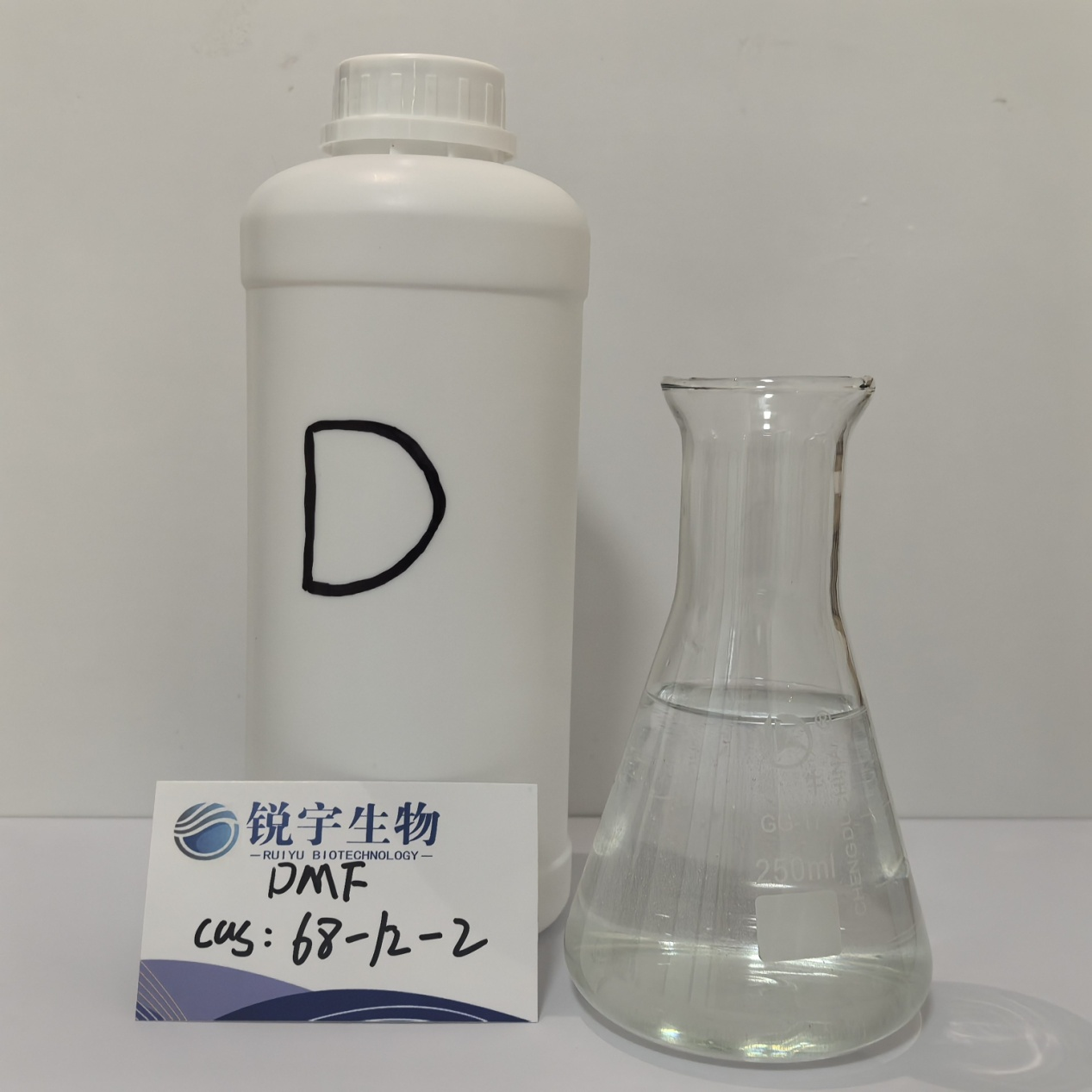
Chemical Stability and Thermal Robustness of DMF for Controlled Reactions
Dimethylformamide, or DMF for short, holds up really well during tough pharmaceutical reactions thanks to how its molecules are built. The amide part in DMF has something called resonance stabilization which gives it some double bond qualities between carbon and nitrogen atoms. At the same time, those two methyl groups sticking out act like shields, protecting the molecule from getting attacked by nucleophiles. What makes DMF so special is that it resists breaking down when exposed to water, which matters a lot when working with substances sensitive to moisture. Even after long periods of heating, DMF stays stable without falling apart. This stability comes from being an aprotic solvent unlike many others that contain protons. Regular protic solvents can mess up reactions by transferring protons around, but DMF doesn't do this, making it much safer for delicate chemical processes.
Molecular structure, amide resonance, and hydrolytic resistance of dimethylformamide
When looking at DMF's structure, the flat layout of its carbonyl group alongside those dimethylamino parts creates something called electron delocalization. This basically means the electrons spread out more, which cuts down on how reactive that carbonyl carbon becomes. We're talking around 40% less electrophilic compared to regular amides that don't resonate like this. Because of this resonance effect, breaking down DMF through hydrolysis needs pretty harsh conditions. Think really low pH below 2 or super high pH above 12 when heated to about 80 degrees Celsius. Chemists take advantage of this stability all the time during complicated drug synthesis steps where multiple reactions happen one after another. The methyl groups attached to DMF also act as little shields against water getting in, so reactions stay pure even when there are water-based side products forming. This makes DMF particularly useful because it can do two jobs at once serving both as a solvent and participating directly in reactions. For instance, in processes such as Vilsmeier-Haack formylation where water removal is critical, DMF holds up well without breaking down on itself.
High boiling point (153°C) and low volatility enabling precise temperature control in API synthesis
DMF has a boiling point around 153 degrees Celsius, which is way higher compared to acetone at just 56 degrees or THF at 66 degrees. Because of this property, scientists can run reactions at temperatures as high as 130 degrees without worrying about dangerous pressure buildups inside their equipment. Another benefit comes from DMF's low vapor pressure measurement of about 2.7 mmHg when the temperature hits 20 degrees Celsius. This characteristic helps reduce how much solvent evaporates while running those long reflux processes in chemistry labs. As a result, researchers maintain better control over solution concentrations throughout their experiments, even when they need to keep things going for hours on end. These thermal properties make DMF especially valuable for certain types of chemical reactions where maintaining stable conditions is absolutely critical.
- Transition metal-catalyzed reactions requiring sustained heating
- Kinetic-controlled crystallization of heat-labile compounds
- Multi-hour peptide condensations where ±2°C stability directly affects yield
The solvent's minimal volatility also reduces fugitive emissions during transfers, supporting compliance with occupational exposure limits (OELs) of 10 ppm.
Polarity and Solvation Power: How DMF Dissolves Diverse Pharmaceutical Intermediates
High Dipole Moment (3.86 D) and Dielectric Constant (36.7) Supporting Ion Stabilization
Dimethylformamide (DMF) works really well as a solvent because it's polar but doesn't have protons that can form hydrogen bonds. Its dipole moment measures around 3.86 Debye and has a dielectric constant of about 36.7, which makes it quite effective at stabilizing those charged intermediate compounds during chemical reactions like SNAr mechanisms or when forming Grignard reagents. What happens here is the oxygen atom in DMF's carbonyl group has lots of electrons, so it grabs onto positive ions pretty tightly. And since DMF isn't protonated, there's no hydrogen bonding getting in the way, which keeps nucleophiles active and ready to react. Take enolate alkylations as an example case study. According to some research published in Organic Process Research & Development, DMF actually keeps anions reactive for approximately 40% longer compared to regular old acetone. That kind of performance difference matters a lot in industrial settings where reaction efficiency counts.
Broad Solubility Profile—Dissolving Salts, Polar APIs, and Nonpolar Catalysts Simultaneously
DMF uniquely dissolves ionic compounds (e.g., potassium carboxylates), polar APIs, and hydrophobic catalysts (e.g., Pd(PPh3)4) within single-phase systems—a capability rooted in its balanced Hansen solubility parameters . Unlike methanol or acetonitrile, DMF reliably solvates:
- Quaternary ammonium salts (up to 0.5 M solubility)
- Peptide intermediates with logP < 4
- Organometallic complexes such as BINAP-based catalysts
This broad compatibility eliminates phase-transfer agents in 78% of multiphasic pharmaceutical reactions (Organic Process Research & Development), reducing process steps and preventing catalyst precipitation in cross-coupling workflows.
Catalytic Performance: DMF as an Enabling Medium in Key Pharmaceutical Reaction Types

Acceleration of palladium-catalyzed cross-couplings (Suzuki, Heck) via ligand stabilization
Dimethylformamide really boosts those palladium catalyzed cross coupling reactions that are so important for developing new drugs. The stuff works because of its high polarity and ability to coordinate with metals, which helps keep those precious metal ligand complexes stable. This means less aggregation happens during reactions like Suzuki and Heck processes. When these complexes stay intact, reaction yields go up around 30% better than when using solvents with lower polarity. Plus manufacturers can get away with using much smaller amounts of catalyst, somewhere between half a mole percent and two mole percent typically. And let's not forget about how thermally stable DMF is. That stability makes all the difference when running those long reflux conditions needed for making complicated heterocyclic compounds in active pharmaceutical ingredient production.
Facilitation of nucleophilic aromatic substitution (SNAr) and peptide coupling reactions
Dimethylformamide (DMF) plays a key role in both SNAr reactions and the formation of amide bonds thanks to its unique solvation capabilities. With a dielectric constant around 36.7, DMF helps push away leaving groups while keeping those important Meisenheimer complexes stable. When working with peptides, DMF does something really useful it completely dissolves protected amino acids along with common coupling agents such as HATU, and none of these components seem to break down under normal conditions. Recent research shows that when making dipeptides, this solvent can actually achieve over 95 percent coupling efficiency, which is pretty impressive for anyone running experiments in the lab. Another big plus is how DMF stays dry throughout the process, stopping unwanted hydrolysis reactions that might happen with other solvents during carbodiimide mediated couplings. Plus, after the reaction, scientists find it much easier to isolate any precipitates that form, making cleanup far less frustrating than with alternative solvents.
Regulatory and Safety Constraints: Navigating DMF’s Toxicity Within ICH Q3C Compliance
Hepatotoxicity, metabolic pathways (CYP2E1), and occupational exposure limits
Dimethylformamide can really harm the liver because it gets processed by something called CYP2E1 enzymes in the body. This creates harmful substances that lead to oxidative stress in liver tissue. When workers get exposed, there are strict limits in place. For instance, OSHA says no more than 10 parts per million over an eight hour workday, and this aligns with what's set across Europe under REACH regulations as well as recommendations from ACGIH. To keep things safe, factories need good engineering solutions like sealed equipment setups, systems that control vapors, and proper exhaust ventilation at workstations. Workers also must wear appropriate protective gear at all times. Looking at long term data shows that when ventilation isn't sufficient, blood tests often show higher than normal enzyme levels indicating liver problems. That's why many manufacturing plants now have ongoing air quality checks built right into their operations.
Residual solvent limits per ICH Q3C Class 2 – balancing process efficiency with purification burden
DMF falls under ICH Q3C Class 2 solvents and has pretty tight restrictions on how much can remain in finished drugs, around 880 parts per million actually. Because of this limitation, pharmaceutical companies face a real dilemma when making their products. They want to take advantage of DMF's excellent ability to dissolve substances and its good heat resistance during reactions, but then they need to spend extra time and money getting rid of what's left over. Techniques like wiped film evaporation or prep chromatography do the job well enough, but these methods really eat into budgets. Some studies suggest each extra cleaning step might push production costs up about 15 percent give or take. So there's growing pressure across the industry to look for better options whenever possible, especially if those alternatives won't mess with the final product quality or run afoul of regulations from agencies like the FDA.
FAQ Section
What makes DMF a stable solvent for pharmaceutical reactions?
DMF's amide resonance and shielding methyl groups make it resistant to breakdown by nucleophiles and moisture, ensuring stability under prolonged heating and making it a safer choice for sensitive chemical processes.
How does DMF's molecular structure affect its reactivity?
DMF's electron delocalization minimizes the reactivity of its carbonyl carbon, reducing electrophilicity by about 40% compared to non-resonant amides, requiring harsh conditions for hydrolytic breakdown.
Why is DMF's high boiling point beneficial in API synthesis?
DMF's high boiling point allows reactions to occur at elevated temperatures without pressure buildups, maintaining stable solution concentrations and enabling precise temperature control in synthesis processes.
How does DMF's polarity aid in pharmaceutical reactions?
DMF's high dipole moment and dielectric constant stabilize charged intermediates, prolonging anion activity in reactions and improving efficiency compared to less polar solvents like acetone.
What are the safety constraints of using DMF?
DMF can cause liver harm due to its metabolism via CYP2E1 enzymes. Strict exposure limits and safety measures are required in workplaces, including ventilation systems and protective gear to comply with regulations.
Table of Contents
- Chemical Stability and Thermal Robustness of DMF for Controlled Reactions
- Polarity and Solvation Power: How DMF Dissolves Diverse Pharmaceutical Intermediates
- Catalytic Performance: DMF as an Enabling Medium in Key Pharmaceutical Reaction Types
- Regulatory and Safety Constraints: Navigating DMF’s Toxicity Within ICH Q3C Compliance
- FAQ Section