
 EN
EN
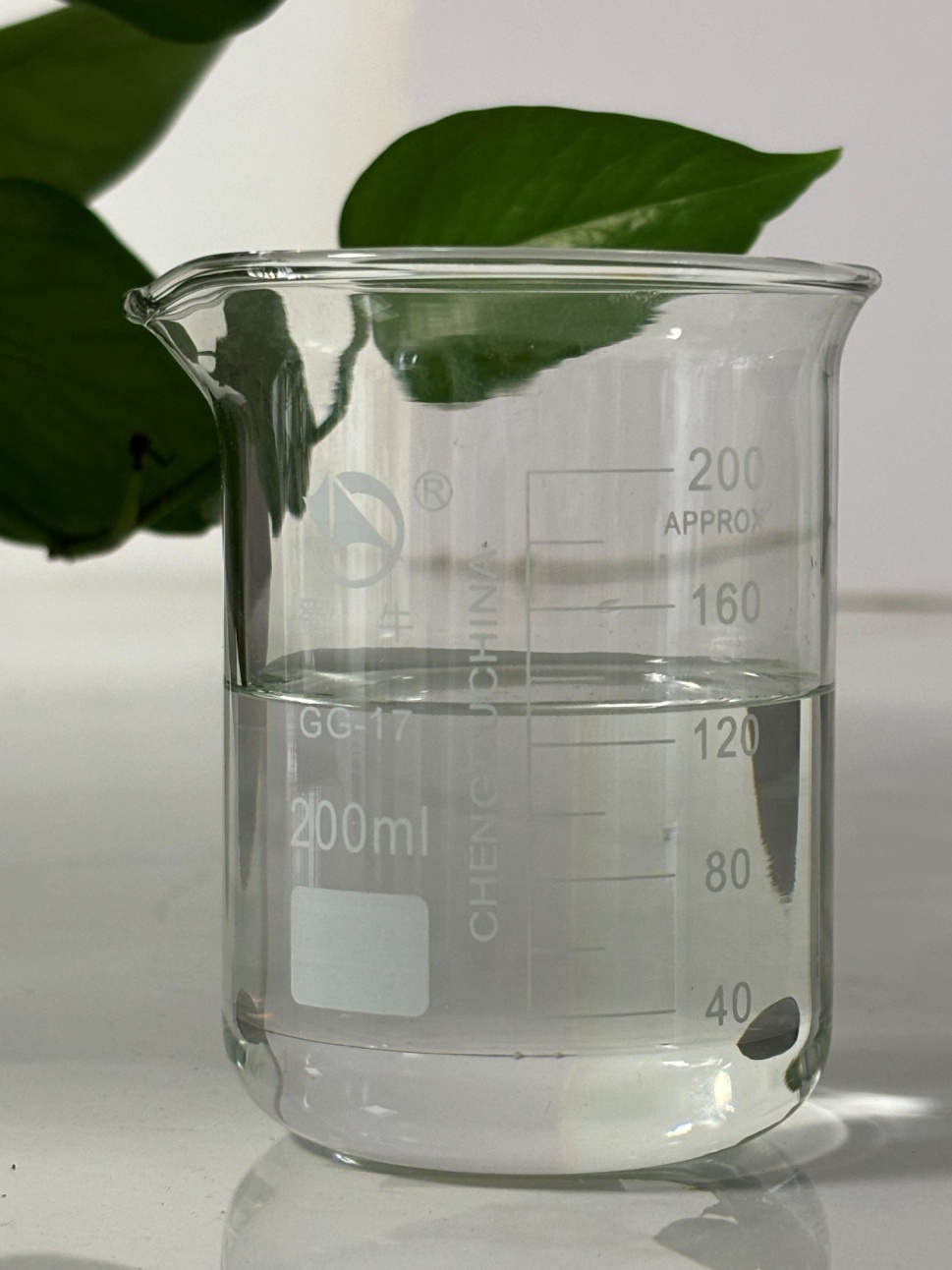
Chemical Purity and Impurity Profile of 5-Bromo-1-pentene
Minimum Purity Standards for Research-Grade 5Bromo1pentene (≥97% GC)
For research work involving 5Bromo1pentene, most labs aim for at least 97% GC purity because anything less tends to lead to unreliable results. When the concentration drops below this level, there's a real chance of getting unwanted side reactions happening. Some independent tests have actually found that lower purity batches can contain around 9% alkyl halide impurities. These contaminants make a noticeable difference too, cutting down Suzuki coupling yields anywhere from 18 to 35 percent when compared with higher purity materials. The American Chemical Society backs this standard for good reason. Their guidelines stress how important consistent reaction rates are in synthetic chemistry work, something every researcher knows makes all the difference between successful experiments and frustrating dead ends.
Control of Residual Solvents and Heavy Metal Impurities (ICH Q3C/Q3D Compliance)
In order to avoid catalyst poisoning and keep things safe when working with pharmaceuticals, the residual solvents in 5Bromo1pentene need to stay within certain limits set by ICH Q3C Class 2 standards. Ethanol should be kept under 4,000 parts per million while benzene needs to remain below 2 ppm at all times. Heavy metals like lead and cadmium are another concern too. These contaminants must not exceed 5 ppm according to ICH Q3D guidelines, which helps protect those delicate chemical reactions from getting ruined. Looking at what happened in 2023 actually shows why this matters so much. An audit checked out various commercial suppliers and found that about one fifth of their samples had arsenic levels higher than what's allowed. That's pretty concerning and really highlights just how critical it is for companies to test thoroughly and stick strictly to these regulations.
Isomeric Purity: Ensuring Absence of 5-Bromo-2-pentene and Other Structural Contaminants
The structural arrangement makes all the difference when it comes to compounds like 5-bromo-2-pentene. These isomers change how reactions proceed because they react differently and have distinct spatial arrangements. Most labs rely on gas chromatography-mass spectrometry, or GC-MS for short, to check if samples are pure enough. Good quality batches should stay below 0.3% impurity levels from other isomers. We've seen cases where just 1% contamination drops the effectiveness of Heck couplings by around 15% in those catalyzed reactions. That's why distillation needs to be done right. Positional isomers left behind after purification can really mess things up, especially when making polymers where consistency matters a lot.
Degradation Monitoring: Peroxide Formation and Bromide Ion Release Stability Tests
Testing stability at accelerated conditions around 40 degrees Celsius and 75% relative humidity helps track peroxide formation, which is one of the main ways alkenyl halides break down over time. When peroxide levels go above 15 mmol per kilogram, there's real risk of oxidation happening. That means we need to store these materials under nitrogen blankets to keep them reactive enough for proper use. For hydrolytic stability checks, we look at how much bromide ions get released after sitting for a whole year. The standard test shows good stability if it stays below 0.1%, measured through ion chromatography as specified in USP section 797. Running these tests makes sure our compounds stay stable long enough for important research projects that depend on both timing and meeting regulatory requirements.
Grading and Application-Specific Suitability of 5Bromo1pentene
Technical, Reagent, and CRM Grades: Matching 5-Bromo-1-pentene to Research Needs
The market offers different quality levels of 5-Bromo-1-pentene based on what researchers need for their work. Technical grade stuff usually runs around 85 to 90% pure and works fine when making large batches of polymers since small amounts of impurities don't really matter much there. For regular lab work, scientists go for reagent grade which hits at least 95% purity. This higher quality is essential for things like cross coupling reactions where getting the right ratios matters a lot. Then there's CRM grade material that sits above 99% pure with complete documentation tracking every step from production to delivery. Labs use this top tier stuff mainly when they need to validate new testing methods or prepare reports for regulators. According to a recent poll among synthetic chemists back in 2023, nearly four out of five failed Heck reactions traced back to using wrong grade materials contaminated with unwanted isomers.
Performance in Key Applications: Cross-Coupling Reactions vs. Polymer Initiation
How well 5Bromo1pentene works depends a lot on what it's being used for and how pure it needs to be. When working with palladium catalysts in reactions like Suzuki-Miyaura couplings, we really need at least 97% purity to stop those pesky residual amines from messing up the catalyst. The chemistry just doesn't work right otherwise. On the flip side, when starting polymers, we can get away with a bit less purity around 90 to 93%, but there's still a catch. Peroxide levels must stay below 0.1% or else the chains will terminate too early and ruin the whole batch. Some research from last year showed that if bromide impurities go over 500 parts per million, polyethylene chains end up about 40% shorter than they should be. That makes a big difference in material properties. For cutting edge stuff like making biomedical hydrogels though, nothing beats reagent grade 5Bromo1pentene. It gives us just enough reactivity without all those unwanted side products that plague cheaper alternatives.
Analytical Methods for Quality Verification of 5-Bromo-1-pentene
GC-FID and GC-MS Method Validation: Resolution, LOD/LOQ, and System Suitability
Validated Gas Chromatography with Flame Ionization Detection (GC-FID) and Gas Chromatography-Mass Spectrometry (GC-MS) are essential for accurate quality assessment of 5Bromo1pentene. Methods must achieve a resolution of ≥1.5 between the main compound and impurities such as structural isomers. Key validation parameters include:
- LOD (Limit of Detection): Established at 0.1% for common contaminants using signal-to-noise ratios
- LOQ (Limit of Quantitation): Verified at 0.3% with calibration curves exhibiting R² > 0.995
- System Suitability: Demonstrated through retention time reproducibility (±0.05 min) and peak area precision (<2% RSD)
Daily calibration with reference standards ensures instrument stability, while specificity testing confirms no co-elution with impurities. These protocols, aligned with ICH Q2(R1) guidelines, provide traceable and reliable detection of impurities that could affect chemical reactivity or safety.
Regulatory Standards and Compliance for Halogenated Alkenes Like 5Bromo1pentene
Ensuring regulatory compliance is critical for halogenated alkenes used in chemical synthesis and pharmaceutical development. Manufacturers must adhere to evolving global standards governing safety, environmental impact, and quality documentation. Comprehensive impurity profiling and stability data are essential for successful regulatory submissions.
Alignment with USP, EP, and ACS Guidelines: Current Gaps and Accepted Alternatives
The USP, EP, and ACS have all developed guidelines for working with halogenated compounds, but there's still no specific monograph available for 5-Bromo-1-pentene. There are some real issues here worth noting. For starters, nobody has set clear limits on how much bromide ions can be released during processing. Plus, we don't really know what counts as acceptable levels of isomer contamination when running stability tests. Labs trying to work around this problem usually combine several different strategies. Many apply the ICH Q3D guidelines for checking elemental impurities. Others tweak their GC-MS techniques based on similar bromoalkane standards they already know. Some even borrow accelerated stability testing methods from USP<665> just to keep an eye on peroxide formation. Looking at existing polymer initiator regulations turns out to be another helpful stopgap measure while everyone waits for proper standards to finally get written down somewhere official.
FAQ Section
What is the minimum purity requirement for 5-Bromo-1-pentene?
For research purposes, the minimum purity standard for 5-Bromo-1-pentene is 97% GC, as this level helps avoid unwanted side reactions.
What are the risks associated with impurities in 5-Bromo-1-pentene?
Impurities can lead to lower yields in chemical reactions, unwanted side reactions, and failure in applications such as Suzuki coupling and Heck reactions.
How important is isomeric purity for 5-Bromo-1-pentene?
Isomeric purity is crucial because impurities from structural isomers can affect the efficiency of reactions and the consistency of materials, particularly in polymer production.
What grades of 5-Bromo-1-pentene are available for different applications?
5-Bromo-1-pentene is available in technical, reagent, and CRM grades, with varying purity levels suited to different research and application needs.
What regulatory standards must be considered for the use of 5-Bromo-1-pentene?
Regulatory standards such as ICH Q3C/Q3D, USP, EP, and ACS guidelines are essential for compliance and ensuring safety in the use of 5-Bromo-1-pentene.
Table of Contents
-
Chemical Purity and Impurity Profile of 5-Bromo-1-pentene
- Minimum Purity Standards for Research-Grade 5Bromo1pentene (≥97% GC)
- Control of Residual Solvents and Heavy Metal Impurities (ICH Q3C/Q3D Compliance)
- Isomeric Purity: Ensuring Absence of 5-Bromo-2-pentene and Other Structural Contaminants
- Degradation Monitoring: Peroxide Formation and Bromide Ion Release Stability Tests
- Grading and Application-Specific Suitability of 5Bromo1pentene
- Analytical Methods for Quality Verification of 5-Bromo-1-pentene
-
Regulatory Standards and Compliance for Halogenated Alkenes Like 5Bromo1pentene
- Alignment with USP, EP, and ACS Guidelines: Current Gaps and Accepted Alternatives
- FAQ Section
- What is the minimum purity requirement for 5-Bromo-1-pentene?
- What are the risks associated with impurities in 5-Bromo-1-pentene?
- How important is isomeric purity for 5-Bromo-1-pentene?
- What grades of 5-Bromo-1-pentene are available for different applications?
- What regulatory standards must be considered for the use of 5-Bromo-1-pentene?