
 EN
EN
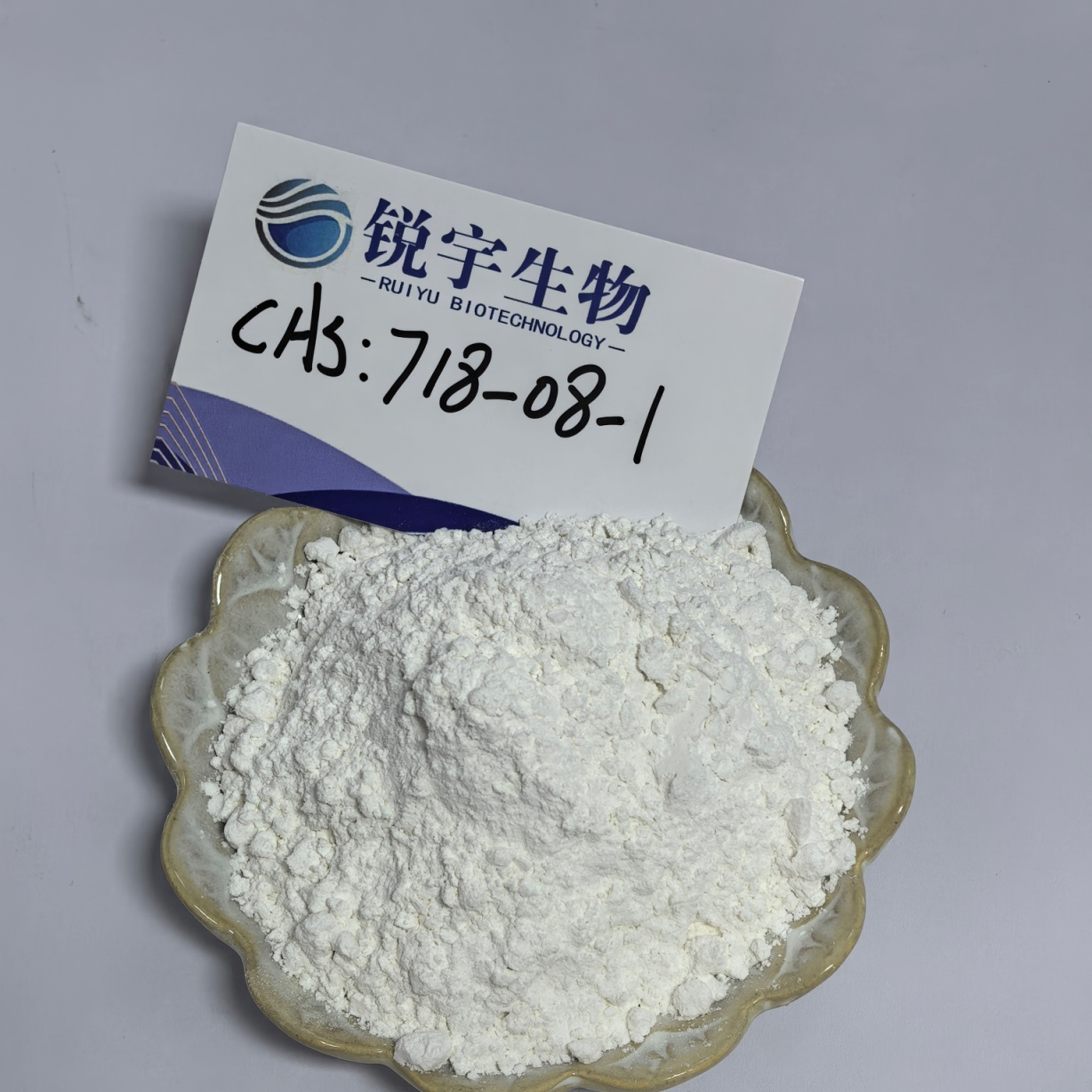
PMK Identity, Purity, and Regulatory Classification
Chemical Identity Confirmation: NMR, MS, and HPLC-UV Methods for PMK Verification
Getting the chemical identity right for PMK, also known as Piperonyl Methyl Ketone, needs multiple analytical approaches working together. NMR spectroscopy checks out the molecular structure by looking at how hydrogen and carbon atoms resonate, giving pretty much conclusive proof about what we're dealing with chemically. Then there's Mass Spec, which tells us the exact molecular weight and shows those telltale fragmentation patterns that match up with the expected ion peaks. For HPLC-UV analysis, we compare retention times against certified reference materials while checking overall purity levels. These combined techniques help stop contamination issues and maintain genuine product quality when this compound goes into pharmaceutical manufacturing where regulations are tight.
Purity Requirements: Limits for Residual Solvents, Heavy Metals, and Genotoxic Impurities in PMK
For pharmaceutical manufacturing purposes, PMK needs to comply with pretty stringent purity standards set out by the ICH guidelines. When it comes to residual solvents like methanol, there's a hard limit at 3,000 parts per million according to what's specified in ICH Q3C for Class 3 solvents. The same goes for heavy metals overall – we're talking about lead, cadmium, arsenic stuff here – which need to stay well below 10 ppm. Most labs use something called Inductively Coupled Plasma Mass Spectrometry or ICP-MS to check those levels, following the rules outlined in ICH Q3D regarding elemental impurities. Then there's the whole issue with genotoxic impurities, especially those pesky reactive alkyl halides. These bad boys absolutely have to stay under that toxicological concern threshold of 1.5 micrograms per day as per ICH M7 regulations. To make sure all these numbers stay within range, manufacturers rely on validated HPLC-UV testing alongside their ICP-MS work. This attention to detail isn't just about ticking boxes for regulators; it's fundamentally about keeping patients safe when they take their medications.
Regulatory Status Debate: Is PMK a Critical Starting Material or Drug Substance? FDA vs. EMA Interpretations
How different regulatory bodies classify PMK makes a big difference for how companies manage their processes and what paperwork they need. The FDA typically sees PMK as a key starting material according to 21 CFR 211.101. This means companies must test for identity and have some understanding of the process, but they don't need full GMP compliance right at the beginning of production. Things look quite different across the pond though. The European Medicines Agency (EMA) usually puts PMK in the category of a drug substance under ICH Q11 guidelines. When this happens, manufacturers face much stricter requirements including detailed characterization work, thorough impurity analysis, and strict GMP standards from day one. These differences really impact how long projects take to develop and what quality systems need to be in place. The EMA approach demands extra stability testing and lots more analytical data compared to what's needed elsewhere. Industry experts are still trying to bring some consistency to these varying approaches through ongoing discussions in ICH working groups, although progress has been slow.
GMP Compliance for PMK Synthesis Facilities
Facility and Equipment Qualification Under 21 CFR Part 211 for PMK Manufacturing
Facilities manufacturing PMK need to follow 21 CFR Part 211 GMP rules if they want to maintain proper product quality standards and protect patient health. The cleanrooms themselves should be classified at ISO 8 level, which means having HEPA filters that keep particle counts under 100,000 per cubic meter while cycling air between 15 and 20 times each hour. Maintaining positive pressure across different zones helps stop contamination from spreading, and HVAC systems need thorough validation to properly control both temperature and humidity levels throughout production. All equipment goes through strict IQ/OQ/PQ testing processes. Reactors have to stay within half a degree Celsius accuracy range, and stainless steel surfaces get electropolished down to less than 0.5 microns roughness average to reduce any chance of residue sticking around. Storage areas for solvents must be built with explosion proof designs according to NFPA 70 guidelines, and every system needs regular checks and maintenance to stay compliant over time.
Data Integrity and Electronic Record Control: Applying 21 CFR Part 11 to PMK Batch Documentation
For PMK synthesis, electronic batch records need to follow 21 CFR Part 11 regulations if we want to maintain data integrity across the entire manufacturing process. Modern systems should include secure audit trails with timestamps that meet ALCOA+ standards, which basically means making sure all data can be traced back to who created it, stays readable, gets recorded when things happen, remains original, accurate, and complete. Access control works through different permission levels plus biometric scans, while electronic signatures have built-in time checks to confirm validity. When it comes to actual process monitoring, temperatures during reactions get tracked within ±0.1°C accuracy, along with pH levels. These measurements go through delta checks against established design limits so any unusual readings pop up immediately. Backup systems run more frequently than every 15 minutes, often using WORM storage or even blockchain technology to keep records untampered. Special tests compress HPLC data files dynamically, and anything showing checksum differences over 0.001% just gets rejected automatically.
Quality by Design (QbD) for Robust PMK Synthesis
Defining the PMK Design Space: Impact of Temperature, Reaction Time, and Reagent Stoichiometry
When approaching PMK synthesis scientifically, the first step involves creating a solid design space based on Quality by Design principles outlined in ICH Q8(R2). Key factors that matter most include temperature control with about a 2 degree Celsius margin, timing reactions between four to six hours, and maintaining a slightly excess reagent ratio of around 1 to 1.05 molar. These parameters get tested through various experimental designs to figure out what works best across different conditions. Let's take temperature swings as just one example problem area. Studies indicate that when temperatures aren't properly controlled, they actually boost the creation of harmful impurities by roughly 15 percent, which obviously impacts how good the end product turns out. Once companies map out their design spaces properly, they gain much greater freedom to work within established limits. This means better consistency in both quantity produced and purity levels, especially important when scaling production up later on. Plus it gives them room to maneuver around regulatory requirements without compromising quality standards.
Control Strategy for PMK Intermediates: In-Process Testing and Real-Time Release Criteria
Good control strategies bring in process testing during manufacturing (IPT) to keep track of PMK intermediates and allow for real time release testing (RTRT). This cuts down on how much we need to rely solely on testing finished products at the end. Looking at spectrophotometry readings around 220 nm wavelength along with constantly checking pH levels gives us instant updates about where reactions stand and what purity levels look like. The PAT tools that manufacturers use these days include things like inline FTIR and Raman spectroscopy which watch important process factors such as how well materials mix together and whether reagents are converting properly throughout production. If something goes off track, the RTRT system sends out warnings so operators can jump in and fix problems before whole batches get ruined. Companies adopting this forward thinking method find themselves following guidelines similar to those outlined in ICH Q8(R2). Many report seeing roughly 40 percent fewer failed batches overall, plus getting products released into market about 70 percent faster than old school quality control approaches used to take.
Stability, Potency, and Storage Requirements for PMK
ICH Q1-Q5 Guided Stability Protocols: Forced Degradation, Shelf-Life Estimation, and Packaging Validation for PMK
The stability profile for pharmaceutical grade PMK follows strict ICH Q1-Q5 standards to maintain both potency and purity over time. To understand how PMK breaks down, researchers put it through various stress tests including heat exposure around 40 degrees Celsius, light degradation, and oxidation challenges. These experiments help map out what happens when the compound degrades and confirm that our testing methods work properly. For predicting shelf life, accelerated testing at 40C and 75% humidity gives us data points we can plug into Arrhenius equations. Most products come with a two year expiration date based on this approach when stored according to recommendations. Throughout all these tests, special attention goes to tracking any potentially harmful impurities, keeping them well below the 0.15% threshold. The packaging itself gets tested too, measuring how much moisture passes through materials. Good quality containers should stop water vapor at rates no higher than 0.005 grams per day. Industry experience shows that storing PMK in tightly sealed amber glass vials at minus 20 degrees Celsius keeps purity above 98.5%, which makes sense given the need for stable conditions during shipping and extended warehouse storage periods.
FAQ
What analytical methods are used to confirm PMK's chemical identity?
NMR spectroscopy, Mass Spectrometry (MS), and HPLC-UV methods are employed to verify PMK's chemical identity by examining molecular structure, exact molecular weight, and retention times against certified references.
How does PMK purity compliance benefit pharmaceutical manufacturing?
Ensuring PMK purity as per ICH guidelines protects patients by mitigating contamination through validated testing of residual solvents, heavy metals, and genotoxic impurities, thus maintaining strict safety and quality standards.
What regulatory differences exist for PMK between FDA and EMA?
The FDA classifies PMK as a starting material needing identity testing without full GMP compliance initially, while EMA categorizes it as a drug substance, requiring comprehensive characterization and GMP standards from the start.
How do GMP compliance measures promote PMK product quality?
By following 21 CFR Part 211 GMP rules, facilities ensure controlled environments and equipment accuracy, maintaining PMK product quality through rigorous contamination controls and validated operational procedures.
How do Quality by Design principles aid PMK synthesis?
Quality by Design helps define a PMK synthesis design space, optimizing factors like temperature and reagent ratios for consistent production quality and scalability, aligning with regulatory standards without compromising product purity.
Table of Contents
- PMK Identity, Purity, and Regulatory Classification
- GMP Compliance for PMK Synthesis Facilities
- Quality by Design (QbD) for Robust PMK Synthesis
- Stability, Potency, and Storage Requirements for PMK
-
FAQ
- What analytical methods are used to confirm PMK's chemical identity?
- How does PMK purity compliance benefit pharmaceutical manufacturing?
- What regulatory differences exist for PMK between FDA and EMA?
- How do GMP compliance measures promote PMK product quality?
- How do Quality by Design principles aid PMK synthesis?