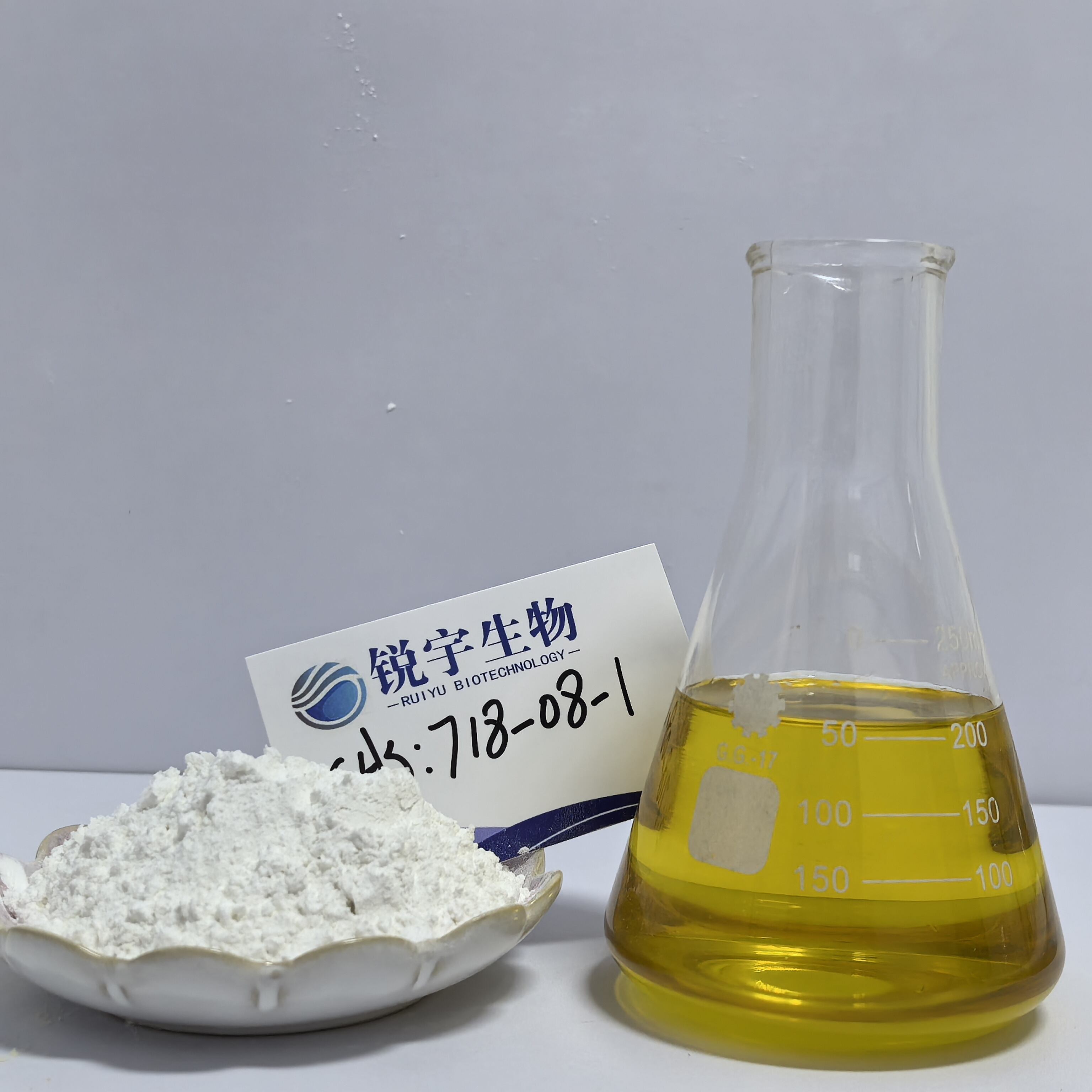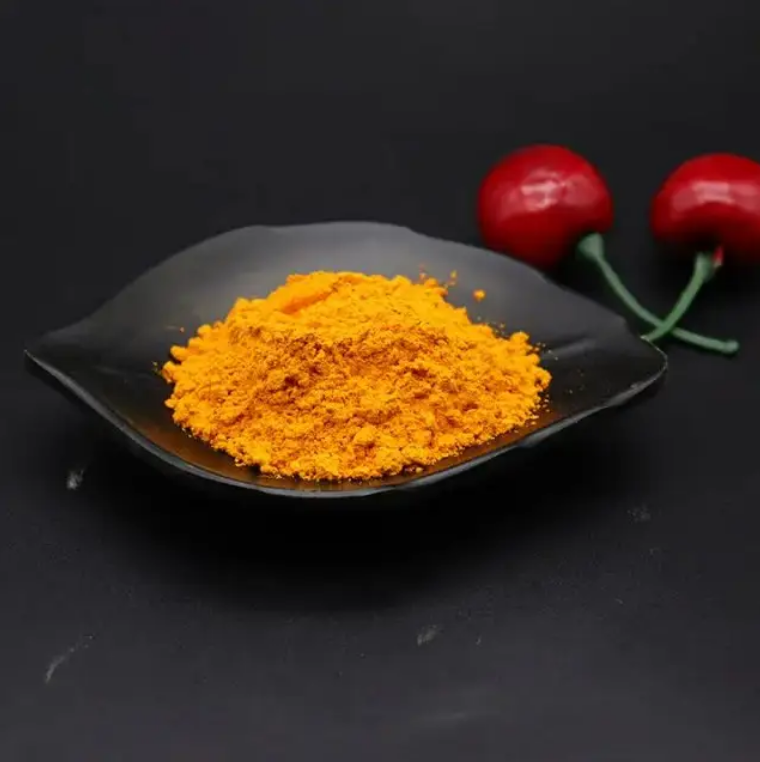
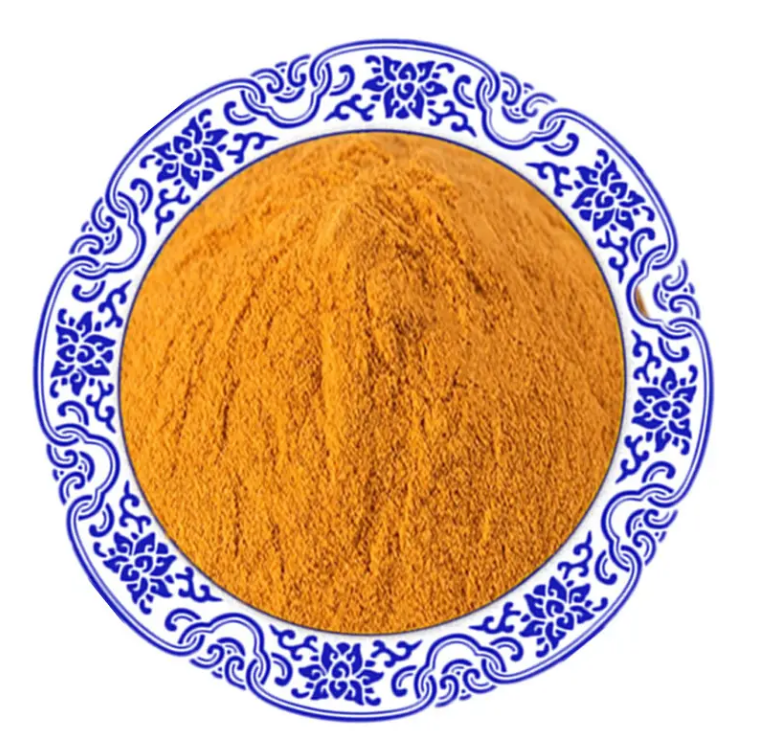
Riboflavin, also known as vitamin B2, has distinct chemical properties that make it essential in various biological and industrial processes. Chemically, riboflavin has the molecular formula C17H20N4O6. It is a yellow - orange, water - soluble compound, which is crucial for its bioavailability in the human body and its applications in the food and beverage industry, where it can be used as a natural food coloring. Riboflavin is stable under normal conditions but can be sensitive to light, especially ultraviolet (UV) light, which can cause degradation. This property must be considered when storing riboflavin - containing products, such as vitamins or fortified foods. In an aqueous solution, riboflavin can exist in different ionization states depending on the pH. It has a characteristic absorption spectrum, with maximum absorption in the ultraviolet and visible regions, which is exploited in analytical techniques for its quantification. Riboflavin can participate in redox reactions, acting as a coenzyme in many enzymatic processes in living organisms. This property is fundamental for its role in energy metabolism, where it helps in the transfer of electrons. Its chemical structure, with a flavin moiety, enables it to form complexes with proteins, further enhancing its functionality in biological systems. In industrial applications, these chemical properties are carefully considered when formulating products that utilize riboflavin, such as in the production of nutritional supplements or in certain chemical reactions where its redox - active nature can be harnessed.

Copyright © 2025 by Hebei ruiyu biology science and technology co., ltd

 EN
EN